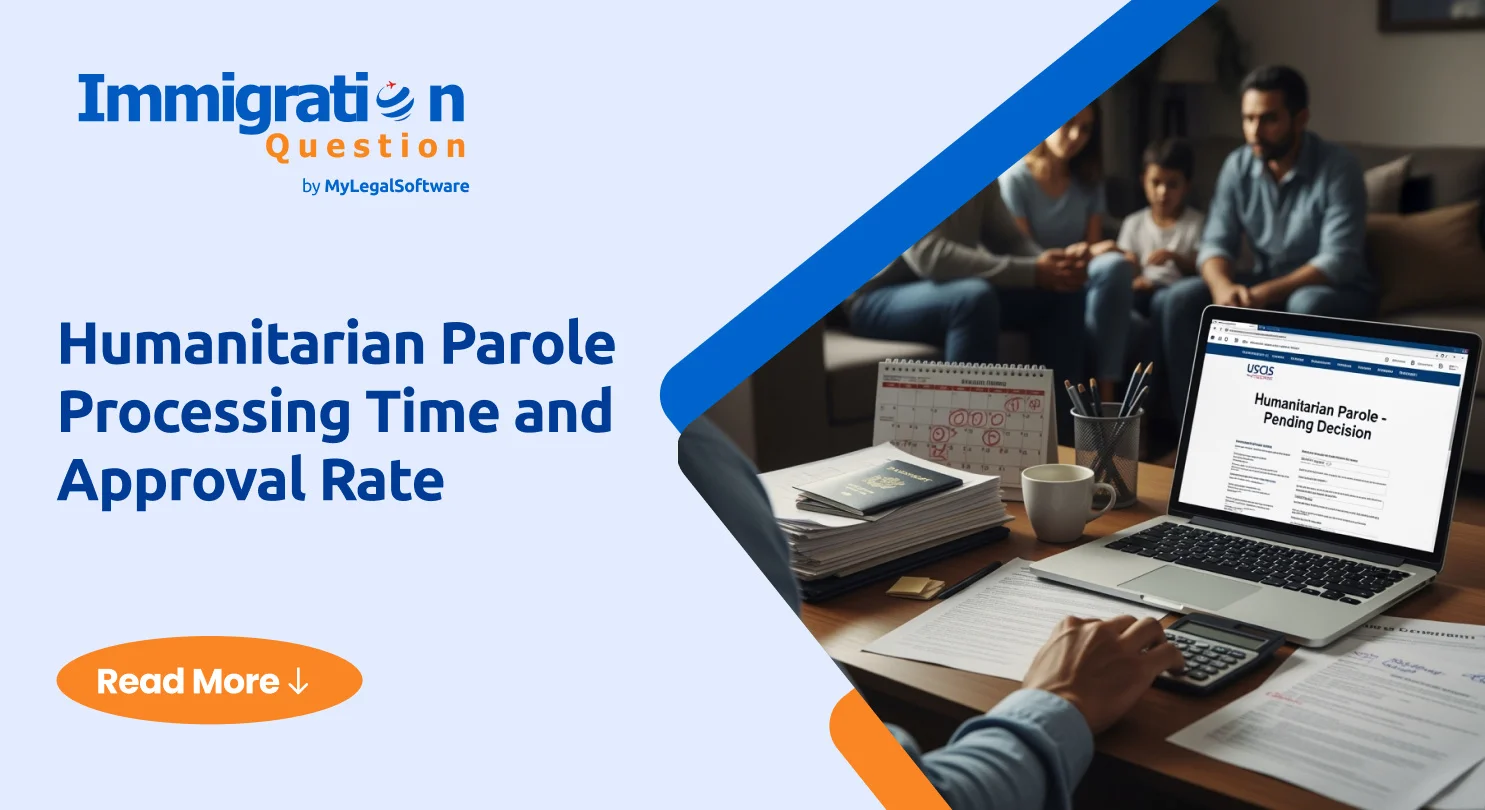
When emergencies arise, many people look to the humanitarian parole process as a way to enter the United States. Some of the common questions applicants ask are: How long does the humanitarian parole process take? And what are the chances of approval?
In this blog, we will explain what humanitarian parole is, what factors impact USCIS humanitarian parole processing time, and what recent numbers tell us about the humanitarian parole approval rate.
What Is Humanitarian Parole?

Under U.S. immigration law, the Secretary of the Department of Homeland Security (DHS) has the discretion to grant parole. This allows noncitizens, who may otherwise be ineligible or inadmissible, to enter the United States for a temporary period due to urgent humanitarian reasons.
Parole is not the same as being formally admitted into the U.S. for immigration purposes. It is a temporary authorization that may last a few months to a year.
Examples of urgent humanitarian reasons include:
- Accessing critical medical treatment unavailable abroad.
- Assisting or visiting a gravely ill family member.
- Responding to other emergencies requiring immediate U.S. presence.
Who Grants Humanitarian Parole?

The authority to grant parole rests with DHS and has been delegated to:
- U.S. Citizenship and Immigration Services (USCIS) – handles most humanitarian parole applications.
- United States Immigration and Customs Enforcement (ICE) – oversees parole for detained individuals or special cases.
- Customs and Border Protection (CBP) – makes parole decisions at ports of entry.
Humanitarian Parole Processing Time
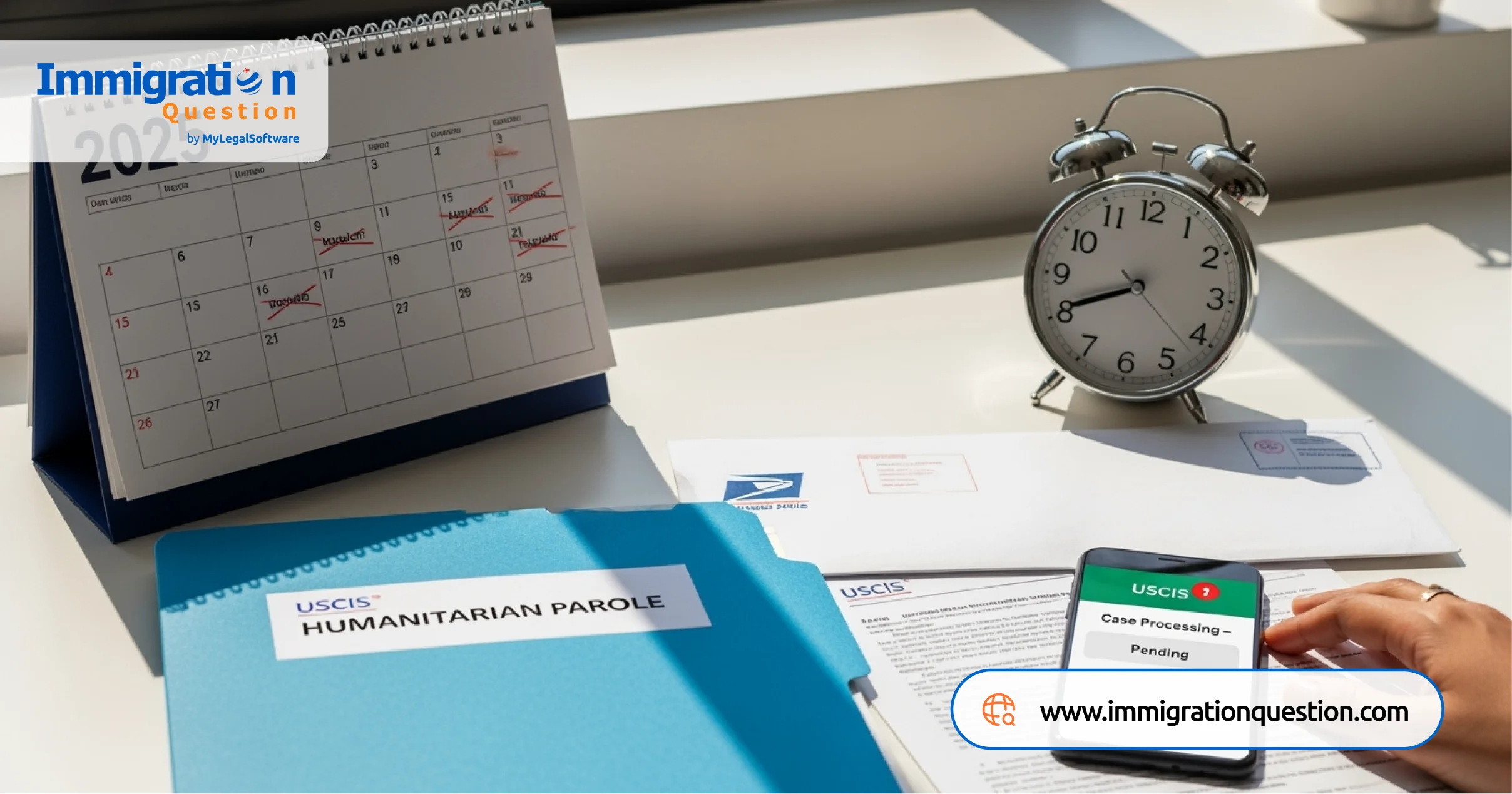
Processing times typically range from a few to several months. USCIS typically takes 60–120 days. However, in recent years, USCIS humanitarian parole processing times have slowed significantly due to record-high application numbers.
According to USCIS, the agency has been dealing with an unprecedented surge in requests since Fall 2021. As a result, many applicants face extended waiting periods beyond the usual timeline.
Delays may be longer if:
- Required evidence is missing at the time of filing.
- USCIS requests additional documentation.
- The case involves complex humanitarian circumstances.
While some urgent cases may be expedited, most applicants should be prepared for longer processing times for humanitarian parole than in previous years.
Humanitarian Parole Approval Rate
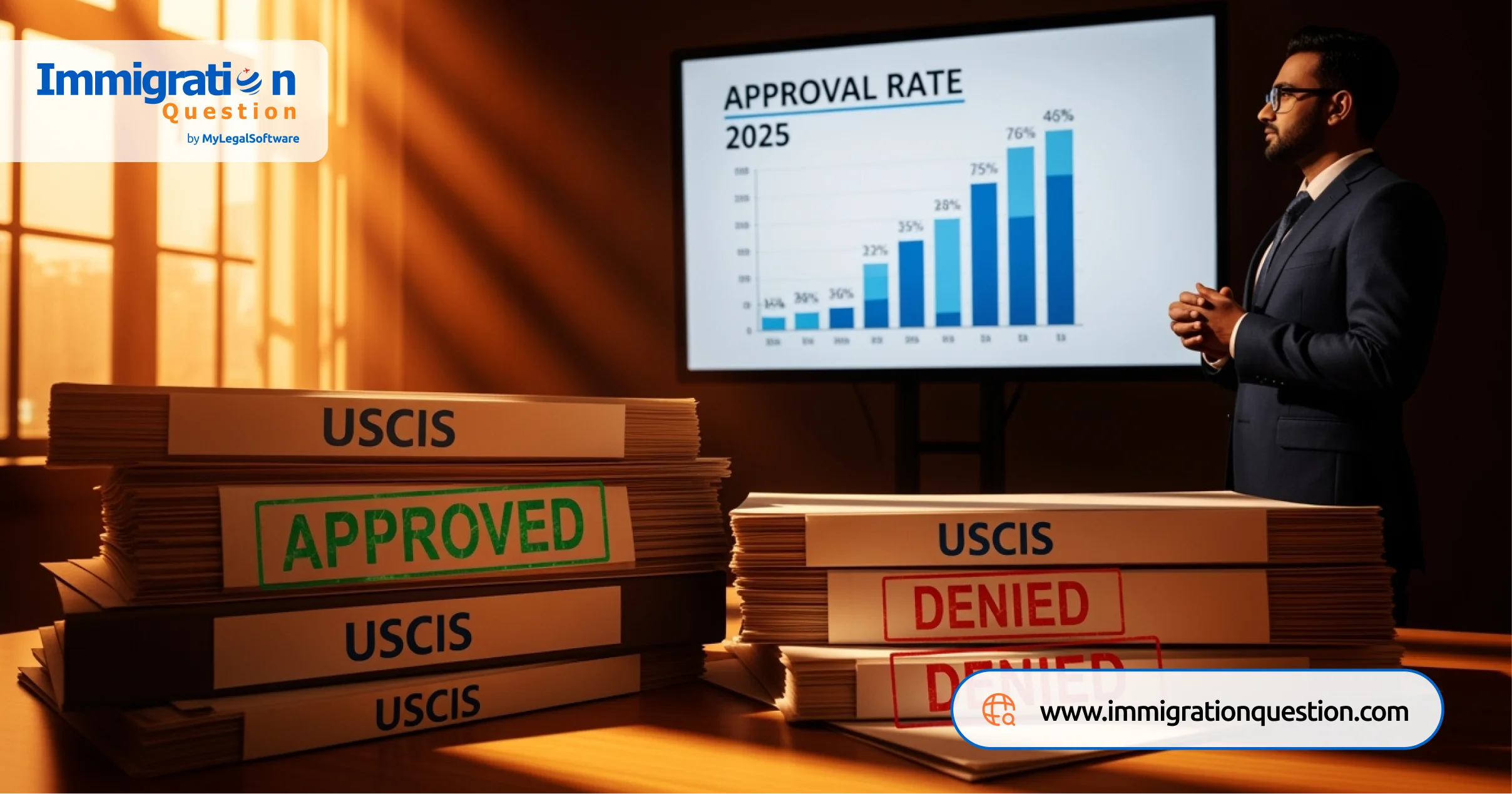
Approval is another primary concern.
The humanitarian parole approval rate has historically been low. Recent data (via TRAC Immigration) shows:
- In Fiscal Year 2023, the approval rate was 37.7%.
- In Fiscal Year 2024, the rate was slightly lower at 37.2%.
Some groups face difficult odds. For example, the American Immigration Council reported that from January 2020 to April 2022, USCIS received 44,785 applications for Afghans seeking humanitarian parole, but approved only 114 applications. This is an approval rate of less than 0.3% during that period.
These numbers show that humanitarian parole remains discretionary and highly selective.
Key Takeaways on Humanitarian Parole
- Humanitarian parole is temporary and only granted in exceptional cases where no other legal option exists.
- The humanitarian parole process is controlled by DHS, with USCIS handling most cases.
- USCIS humanitarian parole processing times are currently much longer than usual due to heavy backlogs.
- The approval rate for humanitarian parole is low, averaging under 40% in recent years.
If you are applying, it is necessary to:
- Provide complete evidence with your Form I-131.
- Clearly explain the urgency of your case.
- Understand that processing may take months, and approval is not guaranteed.
Need Help with Humanitarian Parole?

At ImmigrationQuestion.com, we connect you with trusted immigration attorneys who can help strengthen your application.
Visit ImmigrationQuestion.com today to get started.
Frequently Asked Questions (FAQs) About Humanitarian Parole
1. What is the humanitarian parole process?
The humanitarian parole process allows noncitizens to temporarily enter the United States for urgent humanitarian reasons, even if they are otherwise ineligible for admission. It is a temporary measure and does not count as a formal admission under immigration law.
2. How long does the humanitarian parole process take?
USCIS humanitarian parole processing times typically range from a few to several months or longer, depending on the urgency of the situation and the number of pending applications. Delays are common due to the high number of requests since 2021.
3. What is the USCIS humanitarian parole processing time right now?
Currently, processing times for humanitarian parole are longer than usual. USCIS has reported significant backlogs, so applicants should expect extended waiting periods.
4. How long does it take to process humanitarian parole if my case is urgent?
For urgent cases, such as critical medical needs or emergencies involving a family member, processing time for humanitarian parole may be expedited. However, even urgent requests depend on USCIS capacity and the completeness of your application.
5. What is the humanitarian parole approval rate?
The humanitarian parole approval rate varies each year. In Fiscal Year 2023, it was 37.7%, and in Fiscal Year 2024, it was 37.2%. Some groups, like Afghans applying after 2021, experienced far lower approval rates (under 1%).
6. Why are humanitarian parole applications denied?
USCIS may deny requests if:
- The applicant does not provide enough evidence of urgency.
- There are other legal pathways available.
- The request appears to bypass regular visa or refugee processing procedures.
- The case does not demonstrate an urgent humanitarian need.
7. How long is humanitarian parole valid for?
Humanitarian parole is usually granted for one year, though it may be shorter or longer depending on the purpose of the request. Once the parole period ends, the person must either leave the U.S. or apply for another legal status.
8. Can humanitarian parole be extended?
You may request a re-parole if your urgent humanitarian reason continues. However, you must reapply with strong evidence, and approval is not guaranteed.
9. Does humanitarian parole give me a path to a green card or citizenship?
Humanitarian parole is temporary and does not provide a direct path to permanent residency.
10. Is it free to apply for humanitarian parole?
Along with the application form, applicants must include the required filing fee. If you cannot afford the fee, you may request a waiver by submitting Form I-912, Request for Fee Waiver.