
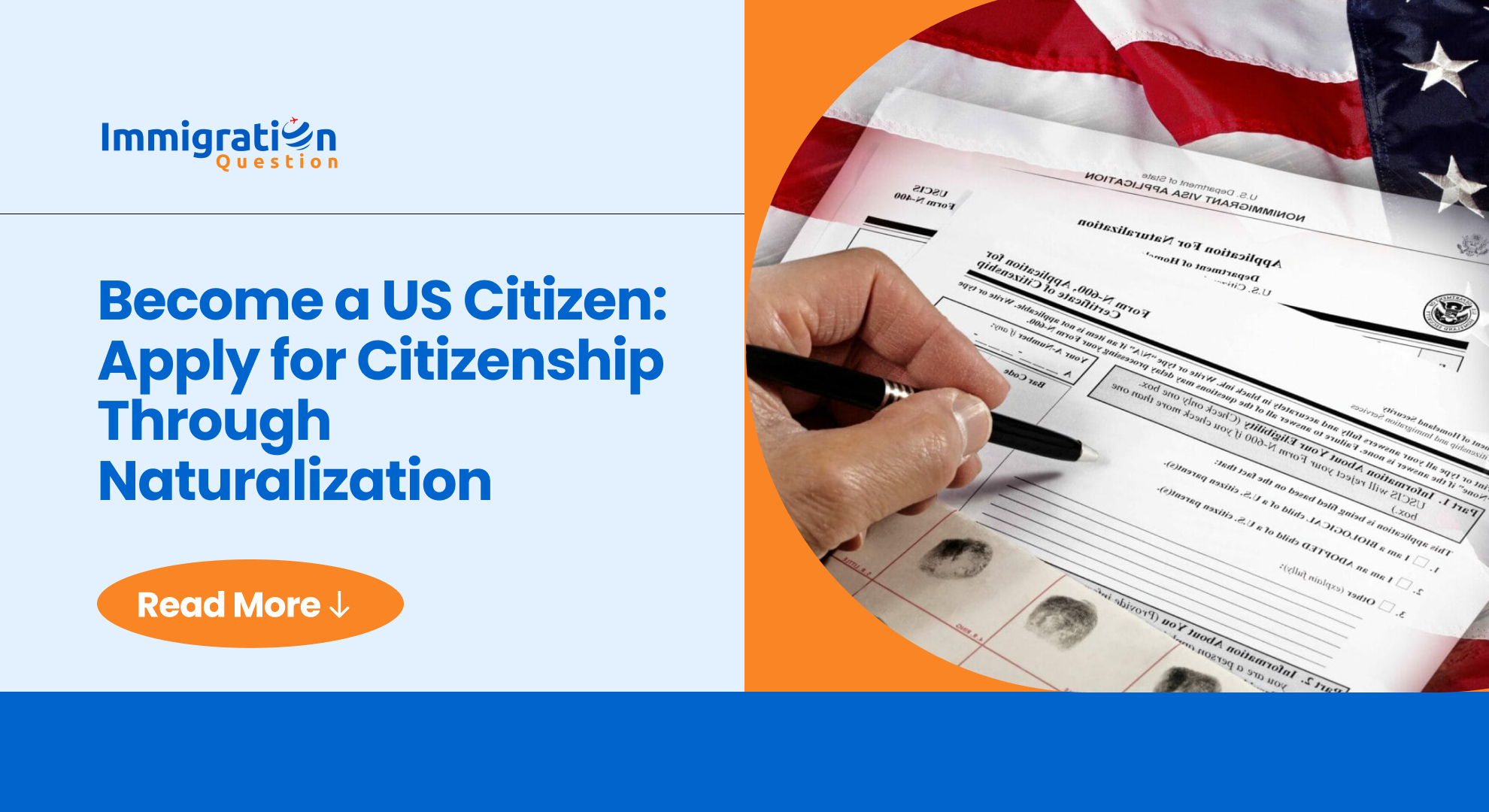
This guide is for green card holders in the United States who want a clear, practical overview of how naturalization works and when they may be able to apply. It answers common questions about the basic steps, typical eligibility timelines, costs, and what happens after the interview and oath ceremony. Because eligibility depends on your history and category, requirements can vary by situation. Immigration rules and USCIS fees can change over time, so it helps to check current guidance close to when you file.
Steps to Apply for U.S. Citizenship Through Naturalization
Naturalization generally follows a standard sequence from filing Form N-400 to taking the Oath of Allegiance.
- Confirm you are eligible under the naturalization category that fits your situation.
- Prepare Form N-400 and supporting documents so your information matches your records.
- Submit Form N-400 and pay the filing fee (online or by mail, depending on what you choose).
- Attend your biometrics appointment if USCIS schedules one for you.
- Attend the naturalization interview and complete the English and civics testing if required.
- Receive a decision from USCIS, then attend the oath ceremony if your application is approved.
Biometrics Appointment
A biometrics appointment is where USCIS collects fingerprints, a photo, and a signature to support identity verification and background checks, if required for your case.
Naturalization Interview
The naturalization interview is where a USCIS officer reviews your Form N-400 and eligibility, and you may take the English and civics tests unless you qualify for an exception or accommodation.
When Can I Apply for U.S. Citizenship After Getting a Green Card?
Most green card holders apply after meeting a required period of permanent residence, and the most common timelines are based on whether you file under the general rule or through marriage to a U.S. citizen.
- Many applicants use the five-year path as lawful permanent residents before filing Form N-400.
- Some applicants may qualify under the three-year path if they have been a permanent resident for at least three years and meet marriage-based requirements, including living in marital union with a U.S. citizen spouse during that period.
- USCIS may allow early filing up to 90 days before you reach the full three-year or five-year residence requirement, as long as you will meet the requirement by the time USCIS makes a decision.
How Much Does It Cost to Apply for U.S. Citizenship?
As of 2026, the USCIS filing fee for Form N-400 is generally $710 when filed online or $760 when filed on paper. These amounts cover the N-400 filing and do not include optional third-party expenses, such as translations or paid assistance.
Additional Costs to Consider
- Attorney or application assistance fees
- Translation services
- Photocopying and mailing costs
- English and civics test preparation
- Reapplication costs
- Lost income or time off work
- Travel expenses
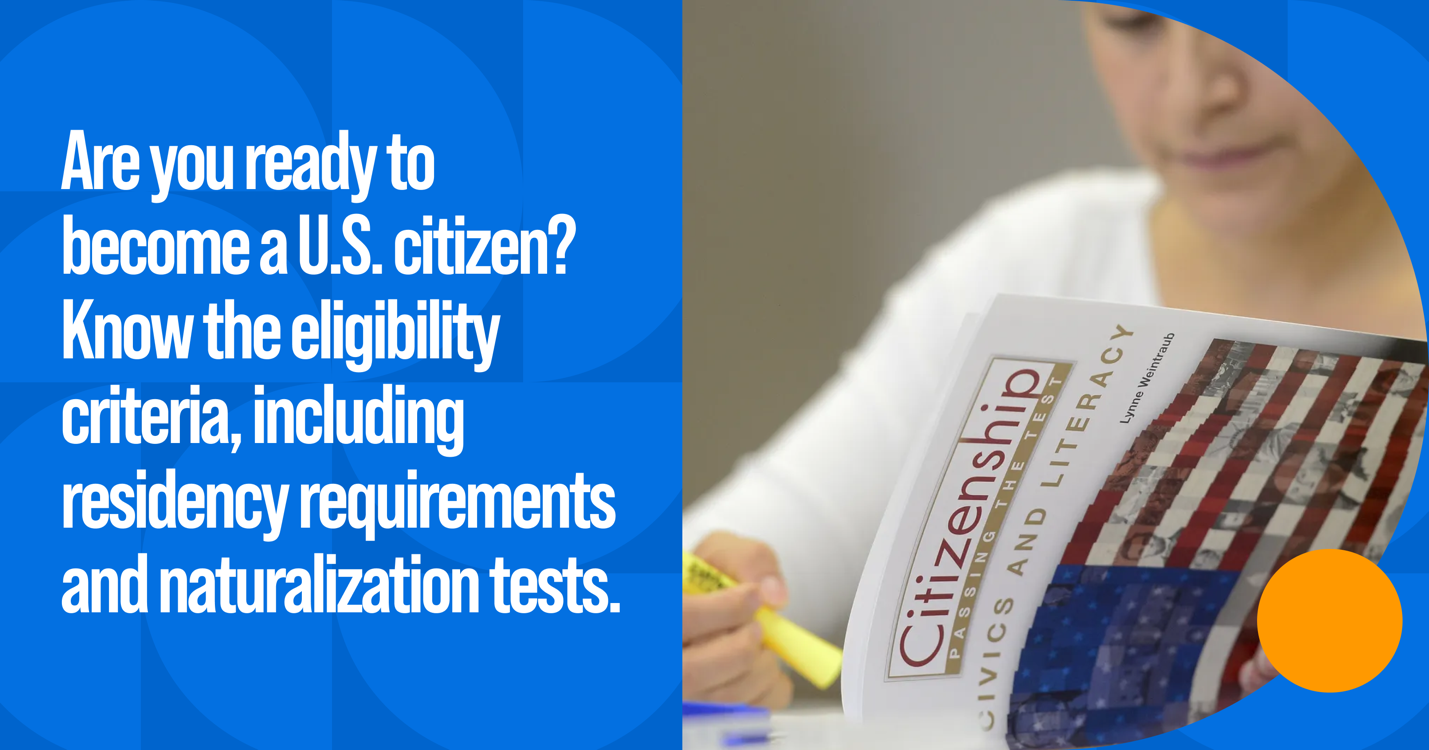
What Happens After the Naturalization Interview?
After the naturalization interview, USCIS generally makes a decision to either approve or deny the application based on the information in your file and your interview.
If your application is approved, the next step is usually scheduling your Oath of Allegiance ceremony.
If your application is denied, USCIS will send a written notice explaining the reason. Some applicants can request a hearing by filing Form N-336 to ask USCIS to review the denial decision.
What Is the Oath of Allegiance and When Do You Become a U.S. Citizen?
The Oath of Allegiance is the final step in the naturalization process, and you become a U.S. citizen after you take the oath at a naturalization ceremony.
- Review your oath ceremony notice and complete any required questionnaire items before you arrive.
- Arrive at the location listed on your notice and check in as instructed.
- Provide any updates USCIS requests, such as changes since your interview.
- Turn in your permanent resident card if instructed before the oath.
- Take the Oath of Allegiance during the ceremony.
- Receive your Certificate of Naturalization and review it for accuracy before you leave.
Benefits of Applying for Citizenship Through Naturalization
Applying for citizenship through naturalization can give eligible permanent residents additional rights and responsibilities that come with U.S. citizenship.
Common benefits people associate with naturalization include:
- Voting in U.S. elections, if eligible to vote where you live.
- Applying for a U.S. passport for international travel.
- Greater stability of immigration status compared with permanent residence alone.
- Ability to petition for certain family members under additional citizenship-based categories.
- Eligibility for certain jobs or benefits that require U.S. citizenship, depending on the role and the agency.
Common responsibilities that may come with U.S. citizenship include:
- Following U.S. laws and civic responsibilities in your community.
- Serving on a jury if you are called and qualify under local rules.
- Keeping your information accurate on official records when needed.
- Participating in civic life in ways that fit your circumstances, such as staying informed and voting when eligible.
Naturalization is a process with several steps, and it is normal to have questions about timing, fees, and what happens after the interview. Staying organized, keeping your records consistent, and preparing ahead of time can make the process feel more manageable.
For more immigration guidance and resources, visit ImmigrationQuestion.com.
Frequently Asked Questions
1. Can a green card holder apply for citizenship before 5 years?
Yes, some people may be eligible earlier, most commonly through the three-year rule for certain spouses of U.S. citizens, if they meet the specific requirements for that category.
2. When can I apply for U.S. citizenship after getting a green card?
Many applicants apply after five years as a permanent resident, or after three years in certain marriage-based cases, and USCIS may allow filing up to 90 days early in some situations.
3. How much does it cost to apply for U.S. citizenship?
As of 2026, the N-400 fee is generally $710 online or $760 by paper, plus any optional third-party costs like translations or paid assistance.
4. Is naturalization the same as citizenship?
Naturalization is the process that leads to U.S. citizenship for many lawful permanent residents who meet eligibility requirements.
5. How long does it take to become a U.S. citizen?
Timelines vary by field office and case details, so it helps to check processing information and your USCIS account updates after filing.
6. What happens after the naturalization interview?
USCIS generally approves, continues, or denies the case after the interview, and you will receive a decision notice.
7. What happens if my N-400 application is denied?
Some applicants can request a hearing by filing Form N-336 to ask USCIS to review the denial decision.
8. When do you officially become a U.S. citizen?
You officially become a U.S. citizen after taking the Oath of Allegiance at a naturalization ceremony.