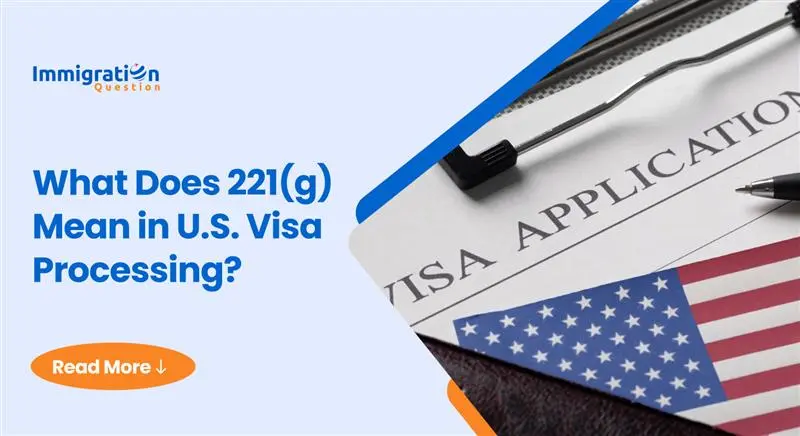
A 221(g) visa refusal means a U.S. visa cannot be issued at the interview because the consular officer needs more information or additional review.
It is usually temporary, and many cases move forward after follow-up. Follow the notice instructions and monitor for updates.
What Is a 221(g) Visa Refusal?
A 221(g) visa refusal comes from Section 221(g) of the Immigration and Nationality Act. It means the officer cannot approve the visa at that moment.
A 221(g) is a temporary refusal, not a final denial. Your application is paused while the consulate waits for additional documents, more evidence, or internal review. Once the request is satisfied or the review finishes, the case can resume.
Is a 221(g) a Denial or a Refusal?
A 221(g) is a refusal in the legal sense, not a final denial. Many 221(g) cases are later approved after follow-up.
A refusal can become a final denial if the required information is not provided, instructions are not followed, or the later review shows the applicant does not meet legal requirements.
Why Do Visa Applicants Receive a 221(g) Notice?
A 221(g) notice is issued when a consular officer cannot make a final decision at the interview.
- Missing or incomplete documents: A required item may be missing, expired, or not acceptable in its current form.
- Need for additional evidence: The officer may ask for more proof to confirm eligibility or clarify details.
- Administrative processing: The case may require additional review that cannot be completed during the interview.
- Employer or job verification (for work visas): The officer may need to confirm role, employer, or petition-related facts.
- Security or background checks: Some cases require screening steps that take extra time.
Common Situations That Trigger Administrative Processing
Administrative processing is often triggered by the need to verify information, not by suspicion.
Examples include:
- Employment in technical or research fields: Specialized work may require added review.
- Name matches in databases: Similar names can require identity confirmation.
- Travel history requiring verification: Prior travel may require timeline checks.
- Employer or petition review: Work visa cases may need additional petition or employer review.
What Happens After You Receive a 221(g)?
Most cases follow one of two paths, and your 221(g) notice usually indicates which one applies.
Path 1: Additional Documents Requested
If documents are requested, submit only what the consulate asks for, using the method and format they specify. Keep copies and proof of submission.
After the consulate receives the documents, review resumes and the case moves toward a final decision.
Path 2: Administrative Processing Only
If the notice says administrative processing only, you may not need to do anything unless the consulate contacts you.
The case remains under review until processing is complete, and you may receive instructions later if passport submission is needed.
How Long Does 221(g) Processing Take?
221(g) timelines vary widely, from weeks to months. There is no single standard timeline.
Timing can depend on visa type, consulate workload, and what needs to be verified. There is no fixed deadline or guaranteed completion date.
How Will You Know the Final Decision?
If the visa is approved, you will receive instructions for passport submission or return, depending on whether the consulate already has it.
If requirements are not met, the case can end in a final denial after review. Applicants are notified through official status updates or direct communication from the consulate.
Can You Travel While Your Visa Is Under 221(g)?
Generally, travel to the United States is not possible during 221(g) because the visa is not issued while the case is paused.
In some cases, prior visas may be canceled during review. If you have travel plans, delay bookings, monitor official updates, and be ready to provide documents quickly if requested.
How Serious Is a 221(g) Visa Refusal?
A 221(g) can be significant, but many cases are resolved. Documentation-based 221(g) cases are often cleared once the missing items are submitted.
Administrative processing can take longer because review is not completed at the interview. Serious issues typically arise only if the review identifies eligibility problems that cannot be resolved with additional evidence.
Practical Tips for Handling a 221(g) Notice
- Respond promptly and submit only what is requested
- Follow the consulate’s instructions exactly
- Keep copies and proof of delivery or upload
- Monitor case status if a tool is available
- Avoid repeated submissions unless asked
Key Takeaways on 221(g) Visa Refusals
- 221(g) is a temporary refusal
- It usually means more review or documents are needed
- Many cases are approved after follow-up
- Patience and accuracy matter
For more immigration guidance and resources, visit ImmigrationQuestion.com.
Frequently Asked Questions
- What does 221(g) mean on a U.S. visa?
221(g) means the visa cannot be issued yet because more information or review is needed. It is a temporary refusal under the Immigration and Nationality Act. The case remains paused until the request is satisfied or processing is completed. - Is 221(g) a rejection?
No, 221(g) is not a final rejection. It is a temporary refusal that often clears after documents are submitted or administrative processing finishes. A case becomes a final denial only if requirements are not met. - How long does 221(g) administrative processing take?
221(g) administrative processing can take weeks to months. The timeline depends on what needs to be reviewed and the consulate’s workload. There is no fixed deadline. - Can my visa still be approved after 221(g)?
Yes, many visas are approved after 221(g) – once the consulate receives what it needs or finishes review. Approval depends on meeting the legal requirements and resolving questions in the record. Follow the notice instructions closely. - Can I travel while my visa is under 221(g)?
Generally, no, because the visa is not issued during 221(g). If you have upcoming travel, postpone plans and watch for consulate instructions. Respond promptly if the consulate requests your passport or documents.