The Trump administration has proposed a regulation that would pause employment authorization for new asylum applicants until federal case processing times reach a defined benchmark. The measure, issued by the U.S. Department of Homeland Security, would significantly revise how work permits are granted during pending asylum proceedings.
DHS Proposal Ties Work Authorization to Adjudication Benchmarks
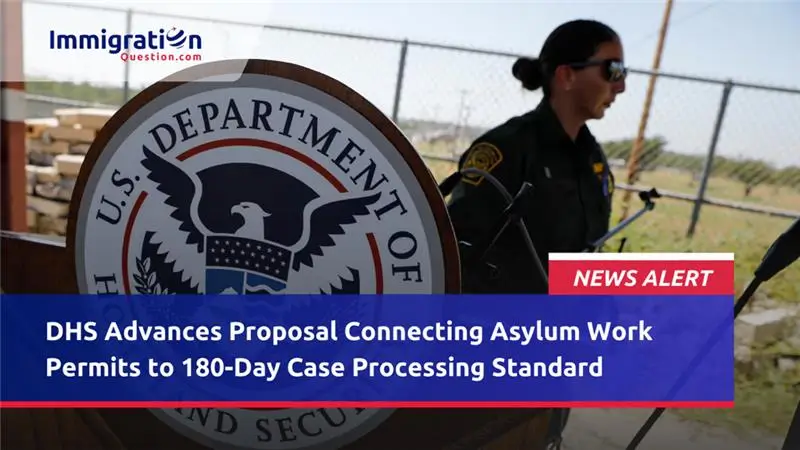
The U.S. Department of Homeland Security has released a proposed rule that would suspend the issuance of employment authorization documents for newly filed asylum applicants until average processing times for certain cases fall to 180 days or less.
Under current backlog conditions, government data indicate that processing times remain well above that threshold. DHS projections suggest that achieving the proposed benchmark could take an extended period under current case volumes. However, the agency has stated that operational adjustments or policy changes could affect that estimate.
The proposal describes employment authorization as a discretionary benefit administered by the department rather than an automatic right tied to filing an asylum claim. It would introduce more eligibility limits and stricter criteria for who may qualify for work authorization while waiting for a final asylum decision.
Policy Context and Eligibility Changes
This proposal is part of a wider immigration plan put forward by President Donald Trump since he returned to office in 2025. Administration officials have described the measure as a way to reduce incentives for filing unfounded asylum claims and to lessen the workload on the adjudication system.
If finalized, the rule would generally bar individuals who entered the United States without inspection from receiving new or renewed work permits. Limited exceptions would apply to applicants who promptly notified border authorities of a fear of persecution, torture, or another urgent humanitarian circumstance shortly after entry.
The administration has stated that connecting work authorization eligibility to processing benchmarks could help agencies focus on security checks and completing cases. Previous changes to asylum regulations have led to court reviews, and observers expect this proposal might also face legal challenges if enacted.
Rule-making Process and Public Input
The proposed regulation will be published in the Federal Register, which will start a 60-day public comment period. During this time, the public, advocacy groups, and other stakeholders can submit written responses for departmental review.
Under federal administrative procedures, DHS must evaluate submitted comments before issuing any final rule. That review process can take several months or longer, depending on the scope of the feedback received. If the regulation moves forward, it would mark a significant change in how employment authorization is handled for individuals with pending asylum cases nationwide.
Looking Ahead
The DHS proposal suggests a potential reshaping of asylum-related employment policies by connecting work authorization eligibility to specific adjudication targets. While the rule still needs public input and internal review, it shows an ongoing re-evaluation of how asylum benefits are managed during long case backlogs.
Future developments will depend on agency review, stakeholder input, and possible judicial proceedings. For continued neutral coverage of asylum regulations, employment authorization updates, and federal court developments, visit
Get answers to your immigration questions from licensed immigration attorneys. For attorneys, use our innovative 3-in-1 case management software to improve your practice. Download our free app on Google Play Store and the Apple App Store.
Resources
**ImmigrationQuestion.com is a networking platform founded by Immigration Attorneys. It serves as a meeting ground for licensed immigration attorneys and people with immigration questions. It is not a law firm. It is not affiliated with or endorsed by USCIS or AILA. Attorneys on this platform are independent and have the discretion to offer a free consultation and/or set their fees under the law.