
It typically takes between a few weeks to several months for most applicants, depending on your category, USCIS service center, and whether your application is a renewal or a first-time request. Some applicants may experience faster approvals, while others may wait longer, particularly for H-4 EADs or those affected by backlogs.
EAD processing times can be unpredictable. While some applicants get approved in a matter of weeks, others wait several months, and as we mentioned earlier, the process is greatly influenced by several key factors.
In this guide, you’ll get a clear, updated breakdown of how long it takes to get an EAD in 2025, what affects the timeline, and what you can do to stay ahead of delays. Whether you’re applying for the first time or renewing, this guide will help you navigate the process with confidence.
What Is an EAD and Why Does It Matter?
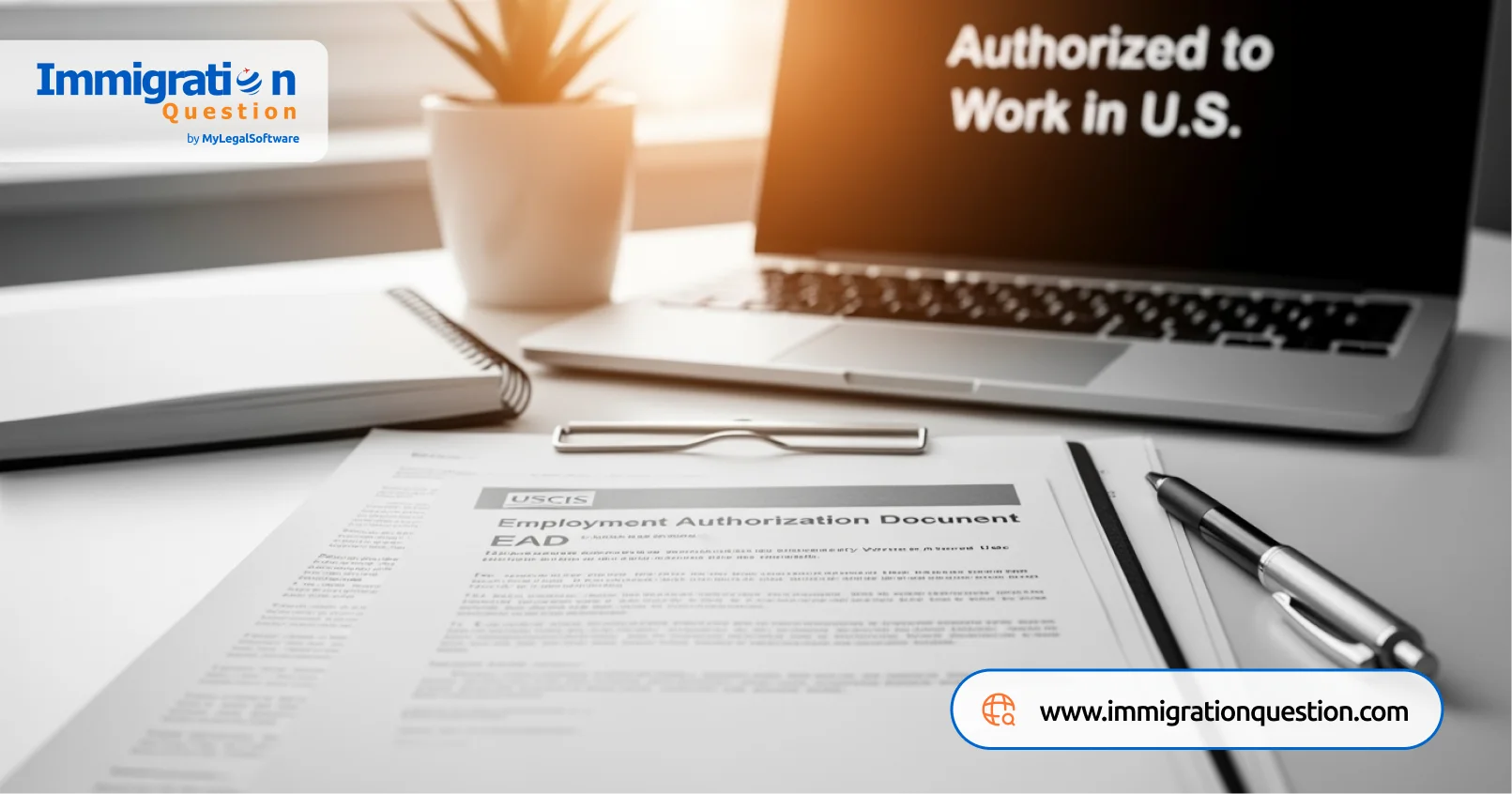
An Employment Authorization Document (EAD), often called a work permit, is a card issued by USCIS that holds significant importance for certain non-citizens, allowing them to work legally in the United States.
To get an EAD, you must file Form I-765 with USCIS. If you’re applying for a green card or you belong to a visa category that requires work authorization (such as DACA, asylum, or H-4), this card is crucial for you to begin or continue working legally. If your job, income, or legal stay in the U.S. depends on this card, then knowing the EAD processing time is crucial.
How Long Does It Take to Get an EAD in 2025?

On average, EAD processing time in 2025 ranges from 2 to 6 months.
Most EAD applicants receive a decision within 90 to 120 days (about 3–4 months). However, depending on the USCIS service center, case backlog, and your eligibility category, it could take up to 6 months or more, although this is rare.
Now, in 2025, there’s a lot to know about the processing timelines, and here are a few to stay informed:
- General range: 2 to 6 months
- National average (all service centers): ~6.4 months for 80% of applicants
- For H-4 dependent EADs, the processing time may be longer, potentially taking 4 to 12 months, depending on the backlog. This information underscores the need for proactive planning and early application submission.
What’s the Processing Time for an EAD Card After Approval?
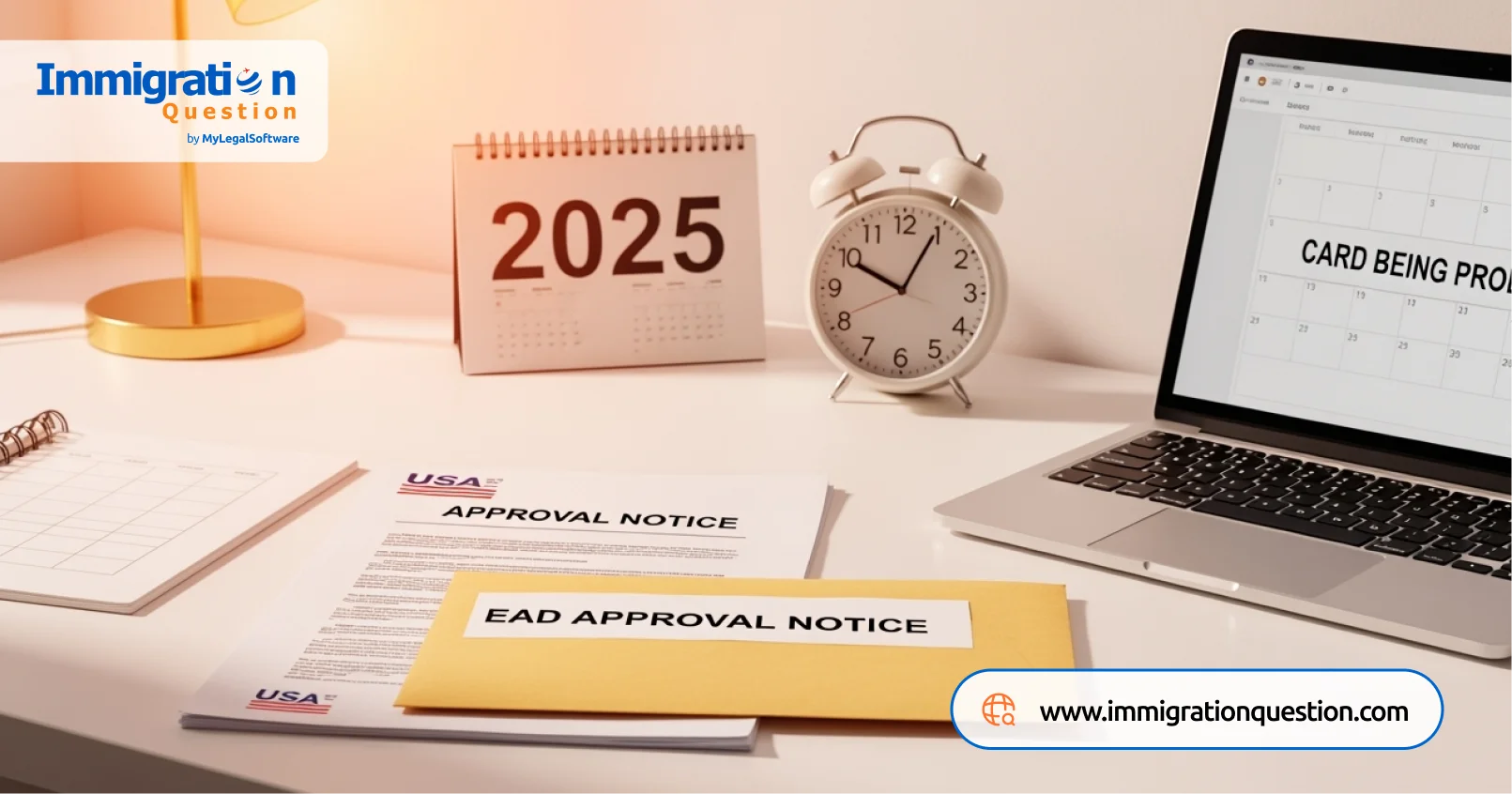
Once approved, your EAD card usually arrives within 5 to 10 business days.
After USCIS changes your case status to “Card Being Produced,” it typically takes a few days to manufacture your EAD and ship it via USPS. Most people receive it within a week or two. But if there are delivery issues or holidays, USCIS advises you to wait up to 30 days before submitting a non-delivery request.
How Long Does an EAD Take to Arrive After Approval?
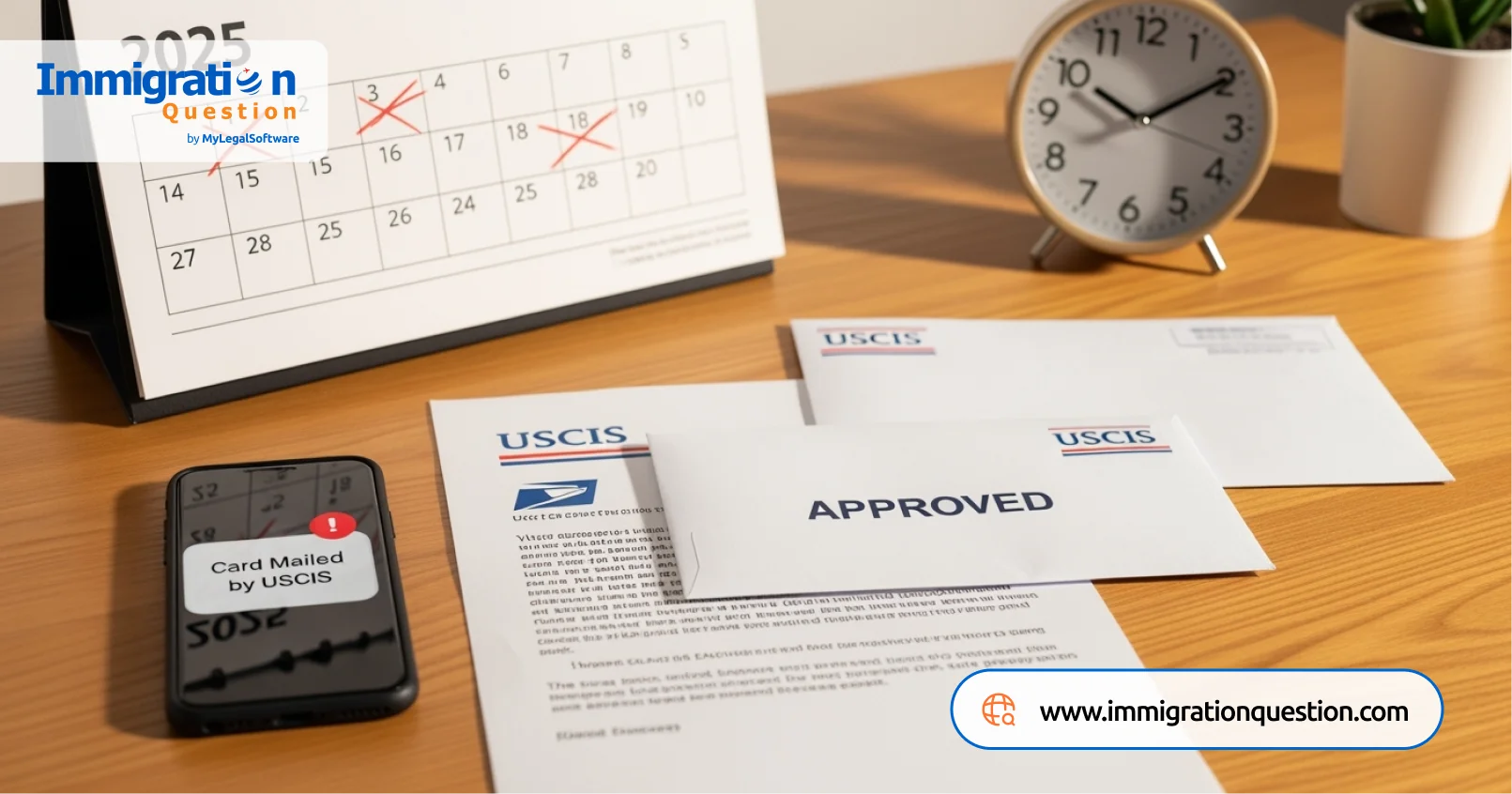
You should receive your EAD card within 10 business days after approval.
Let’s say your status updates to “Card Mailed.” From that point, delivery is handled by USPS, and you should keep a close eye on your mailbox. If nothing shows up after 2 weeks, contact USCIS immediately.
What Affects the EAD Processing Time in 2025?
Several factors directly affect the USCIS EAD processing time in 2025. It can vary widely based on different factors like:
- Case category (e.g., asylum, green card, OPT, H-4)
- The service center processing your form.
- Application completeness
- Biometrics or RFEs (Requests for Evidence)
- Backlogs and USCIS workload
- Whether it’s a first-time application or a renewal
For instance, H-4 EADs in 2025 are experiencing significant delays due to increased demand and adjudication complexity.
Is There Any Way to Get an EAD Faster?

Yes, there is. You may be eligible to expedite your case under certain conditions.
Expedited processing may be available if:
- You face a financial loss or a job loss.
- You’re in an emergency or humanitarian situation.
- You work for nonprofit or public interest reasons.
However, USCIS rarely approves expedite requests without strong supporting documentation. So, if you’re planning on going this route, be prepared to prove why your situation meets the strict criteria. Without strong evidence, your expedite request is likely to be denied.
What’s New for EAD Renewals in 2025?
Since January 2025, eligible EAD renewal applicants have received an automatic 540-day extension.
This rule protects workers from employment gaps while waiting for renewal approval. Previously, the automatic extension was only 180 days.
You qualify for this extension if:
- You file your renewal before your current EAD expires.
- You belong to a category eligible for automatic extension (like asylum seekers, green card applicants, TPS holders, etc.)
This new rule is permanent and helps thousands of applicants keep their jobs even while waiting for their EAD renewal to be processed.
How Can I Track My EAD Application?

You can use your USCIS receipt number on the USCIS Case Status tool.
You can also:
- Check average processing times by service center at USCIS Processing Times.
- Sign up for case updates.
- Submit a service request if your case is outside the normal processing time.
What If My EAD Is Delayed or Doesn’t Arrive?

If your EAD is delayed beyond the standard timeframe or lost in the mail, you should act fast.
Here are essential steps to take:
- Contact USCIS using your receipt number.
- File a case inquiry (especially if it’s been over 30 days since approval)
- Call USCIS for support.
For undelivered cards, use the Non-Delivery of Card request on the USCIS website.
What You Should Do Next

If you’re waiting for your work permit or planning to apply soon, staying informed about the EAD processing time in 2025 can empower you. It helps you prepare effectively, plan your employment timeline, and avoid unnecessary stress or delays. The smartest move you can make is to stay proactive, double-check every part of your application, and file as early as possible.
Still have questions or need personalized guidance? Visit ImmigrationQuestion.com to ask your questions for free and get direct answers from registered immigration attorneys—often within hours. It’s a smart way to get clarity, avoid costly mistakes, and move forward with confidence.
Frequently Asked Questions (FAQ)
1. How long does it take to get an EAD in 2025?
Most applicants receive their EAD within 2 to 6 months in 2025. However, processing time depends on your visa category, USCIS service center, and whether it’s a first-time or renewal application.
2. How long does EAD take after approval?
After your EAD is approved, it typically takes 5 to 10 business days for the card to be produced and delivered via USPS. In some cases, it may take up to 30 days to arrive.
3. How long does it take to get an EAD card after biometrics?
If biometrics are required, the timeline can vary, but most applicants receive a decision within 60 to 90 days after biometrics have been completed.
4. What is the USCIS EAD processing time for renewals in 2025?
EAD renewal applications are taking 3 to 6 months on average in 2025. However, eligible applicants now receive an automatic 540-day extension, allowing them to continue working while waiting.
5. How do I know if my EAD is delayed?
If your case is outside the published USCIS processing times or it’s been over 30 days since approval without receiving the card, you can file a case inquiry or a non-delivery of card request through the USCIS website.
6. Can I expedite my EAD application?
Yes, in limited situations. USCIS may approve an expedite request if you can prove urgent circumstances such as financial hardship, medical emergencies, or public interest—but approvals are rare without strong documentation.
7. What is the current EAD processing time for H-4 visa holders?
H-4 EAD processing times in 2025 range from 4 to 12 months, with many cases facing longer delays due to backlogs and added scrutiny.