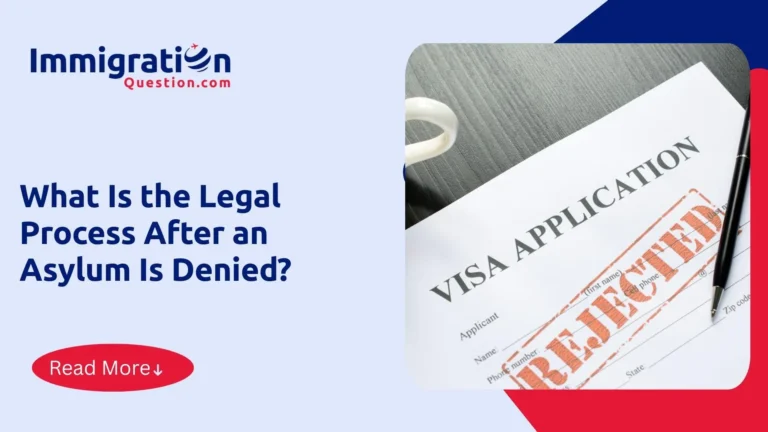

You walk out of the U.S. embassy holding a small slip of paper. The interview lasted only a few minutes. A few questions, a few answers, and suddenly months of planning feel uncertain.
Most people think the worst part of a US visa denial is losing the application fee. But the real cost often shows up later. It appears in delayed plans, missed opportunities, and the complicated path of applying again.
If you are worried about what happens after a visa denial or wondering how to move forward, understanding these hidden costs can help you plan smarter and avoid long-term setbacks.
The Financial Loss That Goes Beyond Application Fees
Yes, the visa application fee is non-refundable. Once you pay it, the money is gone, whether the visa is approved or denied.
But the fees associated with a US visa denial rarely stop there. By the time many applicants reach the interview window, they have already spent hundreds or even thousands of dollars preparing.
These expenses often include:
- Visa application and processing fees
- Document preparation and translation services
- Travel to the embassy or consulate
- Hotel stays near interview locations
- Required medical examinations
- Courier or document delivery services
Add it all up, and the financial sting becomes clearer. A US visa denial does not just close a door for the moment. It can leave a noticeable dent in your wallet.
Lost Opportunities and Delayed Plans
Immigration timelines rarely exist in isolation. A visa application is usually tied to something bigger.
Students plan the start of a new semester. Workers prepare for a new job. Families count down the days until they can reunite after months or years apart.
When the process of US visa denial interrupts these plans, the consequences can be frustratingly real:
- Missed academic enrollment deadlines
- Withdrawn job offers
- Delayed family reunification
- Cancelled travel arrangements
The Long-Term Impact on Future Visa Applications
A visa denial does not simply disappear into the past.
Every visa decision becomes part of your immigration history. When you apply again, consular officers can see previous applications and the reasons behind any refusals.
This does not mean approval becomes impossible. Many applicants are eventually successful. But it does mean the next application must be stronger.
Issues that often lead to repeat US visa denial decisions include:
- Weak proof of ties to the home country
- Missing or inconsistent documents
- Financial uncertainty
- Past immigration violations
Addressing these concerns clearly is essential for future applications.
Emotional Stress and Uncertainty
A visa denial is not only a legal decision. It is also a deeply personal moment.
Applicants invest time, money, and hope into the process. When the answer is no, the emotional weight can be heavy.
Questions begin to surface almost immediately:
- Should I apply again right away?
- Did I say something wrong during the interview?
- Will another application face the same outcome?
The process of US visa denial often leaves people navigating uncertainty while trying to rebuild their plans.
Time Lost in Reapplication
Starting over is rarely simple.
A US visa denial often means applicants must return to the beginning of the process. New documentation must be collected. Forms must be completed again. Another interview must be scheduled.
Strengthening an application may require:
- Gathering additional financial records
- Providing stronger evidence of home country ties
- Correcting application errors
- Seeking guidance from an immigration attorney
Weeks can easily become months as applicants work to prepare a stronger case.
Mistakes That Often Lead to Visa Denials
Visa denials often come down to small details that carry significant weight.
Common mistakes include:
- Incomplete or inaccurate visa forms
- Weak proof of financial stability
- Limited evidence of intent to return home
- Inconsistent interview responses
- Insufficient supporting documentation
These issues may seem minor during preparation, but they can strongly influence a consular officer’s decision.
Steps to Take After a U.S. Visa Denial
A denial can feel final in the moment, but it often marks the beginning of a new phase in the process.
1. Understand the Reason for the Denial
Consular officers typically provide a written notice explaining the legal reason for refusal. Many applicants encounter sections such as 214(b) or 221(g).
Understanding the reason behind the US visa denial is the first step toward correcting it.
2. Review Your Application Carefully
Take time to examine your original application.
Look for missing information, inconsistencies, or weak supporting documents that may have affected the outcome.
3. Strengthen Your Supporting Evidence
A new application should directly address the concern raised during the previous denial.
Additional documentation, financial records, or clearer explanations can help resolve those concerns.
4. Consider Professional Guidance
Immigration rules can be complex, and small mistakes can have lasting consequences.
An experienced immigration attorney can help identify weaknesses in the application and guide applicants through the process of US visa denial recovery.
When Reapplying May Make Sense
Not every visa denial requires a long waiting period.
If denial occurs under section 221(g), it may simply mean additional documentation is required before a decision can be finalized.
In other cases, waiting until circumstances improve can make a future application stronger and more convincing.
Careful evaluation helps applicants decide when to restart the process of US visa denial reapplication.
How Preparation Can Reduce the Risk of Denial
Preparation remains one of the strongest safeguards in the visa process.
Applicants who succeed often focus on a few critical elements:
- Accurate and complete documentation
- Clear and honest interview responses
- Strong evidence supporting the purpose of travel
These steps can significantly reduce the chances of experiencing a US visa denial.
Moving Forward After a Visa Denial
A US visa denial can feel like the end of the road, but in many cases, it is only a detour.
Understanding the hidden costs and long-term effects allows applicants to approach the next step with clearer expectations and better preparation. Many people who face an initial denial eventually succeed with a stronger application.
If you are unsure how to proceed or want professional guidance, consider speaking with an immigration attorney.
You can also explore more immigration guides and get your questions answered through ImmigrationQuestion.com, where experienced immigration attorneys help applicants understand their options and take the next step forward.
Frequently Asked Questions
What Happens If Your US Visa Is Denied?
If your US visa is denied, the consular officer will usually give you a refusal notice explaining the legal reason for the decision, often citing a section such as 214(b) or 221(g). You may be able to reapply later, but you should first address the issue that caused the denial before submitting a new application.
Can You Apply Again After A US Visa Denial?
Yes, you can reapply after a US visa denial. However, you should only apply again if your circumstances have changed or if you can provide stronger documentation that resolves the reason for the previous refusal.
Does A Visa Denial Affect Future Applications?
A previous US visa denial becomes part of your immigration record. Future consular officers can see past refusals and may review your application more carefully, so it is important to clearly address the earlier reason for denial.
Do You Lose Your Visa Fees If Your Application Is Denied?
Yes. Visa application fees for a US visa denial are non-refundable, even if the visa is refused. If you decide to apply again, you will usually need to pay the application fee again as part of a new submission.
How Long Should You Wait Before Reapplying After A Visa Denial?
There is usually no mandatory waiting period after a visa denial. However, immigration experts recommend waiting until you have new evidence or improved circumstances that strengthen your application before reapplying.