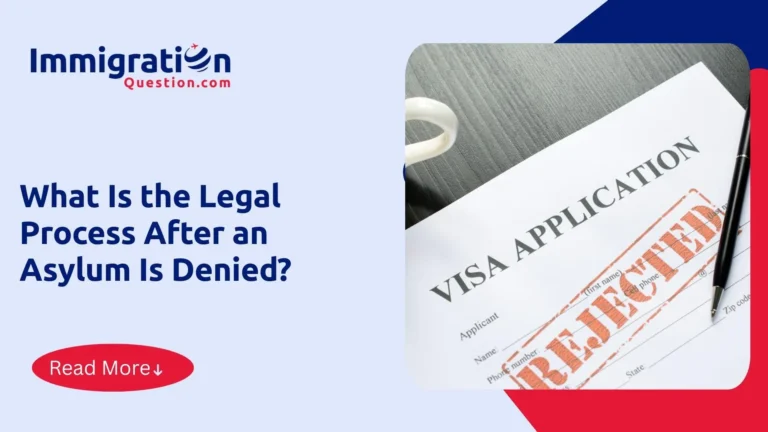

Getting a U.S. visa denial can be frustrating, especially after weeks or months of preparation. For many applicants, the first question that comes to mind is simple:“Can I just apply again right away?”
The short answer is yes, you can reapply immediately. But the better question is: Should you?
Because applying again without fixing the issues that led to your denial can lead to another rejection, wasted fees, and even more frustration. In this guide, we’ll break down what really happens after a visa denial, when it makes sense to reapply, and how to improve your chances of approval the next time around.
Yes, You Can Reapply Immediately — But That Doesn’t Mean You Should
Unlike some immigration processes, a U.S. visa denial does not come with a mandatory waiting period. Once you receive your refusal, you are legally allowed to submit a new application at any time.
However, submitting a new application right away without any meaningful changes often leads to the same outcome. Visa officers keep records of previous applications. When you reapply, they can see:
- Why you were denied
- Your previous answers
- Any documents you presented
- Notes from your interview
If nothing has changed, the officer may see no reason to make a different decision.
Understanding Why You Were Denied
Before you think about reapplying, you need to understand the reason behind your denial. Most U.S. visa refusals fall into a few common categories:
1. Section 214(b): Insufficient Ties
This is one of the most common reasons for denial, especially for visitor and student visas.
It means the officer was not convinced that you would return to your home country after your stay in the United States.
2. Section 221(g): Administrative Processing or Missing Documents
This is not always a permanent denial. It may mean your application needs additional review or documents.
3. Inconsistent or Unclear Answers
If your answers during the interview don’t match your documents or seem unclear, it can raise concerns about credibility.
4. Weak Financial Evidence
If you cannot clearly demonstrate how your trip or education will be funded, your application may be denied.
When It Makes Sense to Reapply Immediately
There are situations where reapplying quickly can be reasonable.
You Have New, Strong Evidence
If you were missing key documents and now have them, reapplying may be appropriate.
Example:
- You now have a stronger financial sponsor
- You obtained additional proof of employment or business ownership
Your Situation Has Changed
If your personal or financial circumstances have improved significantly, a new application may have a better chance.
Example:
- You got a new job with a higher income
- You acquired property or started a business
- You have clearer ties to your home country
Your Previous Application Had Errors
If your first application had mistakes or incomplete information, correcting them can make a difference.
When You Should Wait Before Reapplying
In many cases, waiting is the smarter move.
Nothing Has Changed
If your situation is exactly the same as when you were denied, applying again immediately will likely lead to another denial.
You Don’t Fully Understand the Reason for Refusal
Reapplying without understanding what went wrong is risky. You may repeat the same mistakes.
You Need Time to Strengthen Your Profile
Sometimes, the best strategy is to improve your circumstances before applying again.
Example:
- Build a stronger employment history
- Increase your financial stability
- Develop a clearer travel or study plan
What You Should Do Before Reapplying
If you’re considering a new application, preparation is key.
1. Analyze Your Previous Interview
Think back to your interview.
- Which questions did you struggle with?
- Were your answers clear and confident?
- Did your responses match your documents?
2. Strengthen Your Documentation
Make sure your documents clearly support your case.
- Employment letters
- Business records
- Financial statements
- Proof of ties to your home country
3. Clarify Your Purpose
Be ready to clearly explain:
- Why you are traveling
- How long you will stay
- Why you will return home
4. Practice Your Interview
Confidence matters. Practicing your answers can help you communicate more effectively.
A Realistic Expectation: The Interview Matters
Many applicants focus heavily on documents, but the interview plays a critical role.
Visa officers often make decisions within minutes. They are assessing not just your paperwork, but also your clarity, consistency, and credibility.
Even a strong application can fail if the applicant cannot clearly explain their situation.
Common Mistakes to Avoid
If you’re planning to reapply, avoid these common pitfalls:
- Submitting the same application without changes
- Memorizing answers instead of understanding them
- Providing inconsistent information
- Overloading documents without clear explanations
- Ignoring the reason for your previous denial
Key Takeaway
Yes, you can reapply immediately after a U.S. visa denial.
But approval is not about how quickly you reapply — it’s about how well you address the issues that led to your denial. Taking time to improve your application can make the difference between another rejection and a successful outcome.
Need Help Before You Reapply?
If you’ve been denied a visa, you don’t have to figure everything out on your own.
At ImmigrationQuestion.com, you can:
- Ask questions and get answers from licensed immigration attorneys
- Learn from others who have successfully reapplied after a denial
- Get practical guidance tailored to your specific situation
- Join a supportive community of people navigating the same journey
Your next application can be stronger — and more successful — with the right support.
Visit ImmigrationQuestion.com today and take your next step with confidence.
Frequently Asked Questions
1. Can I apply for a US visa again after being denied?
Yes, you can reapply immediately, but it’s best to address the reasons for your previous denial before submitting a new application.
2. Do I have to wait after a US visa denial?
No, there is no mandatory waiting period, but waiting can help you improve your application and increase your chances of approval.
3. What is the most common reason for a US visa denial?
The most common reason is Section 214(b), which occurs when the officer is not convinced you have strong ties to your home country.
4. How can I improve my chances before reapplying?
Strengthen your documents, clarify your travel purpose, demonstrate ties to your home country, and practice your interview answers.
5. Will the visa officer remember my previous denial?
Yes, officers have records of prior applications, so simply reapplying without changes often leads to the same result.