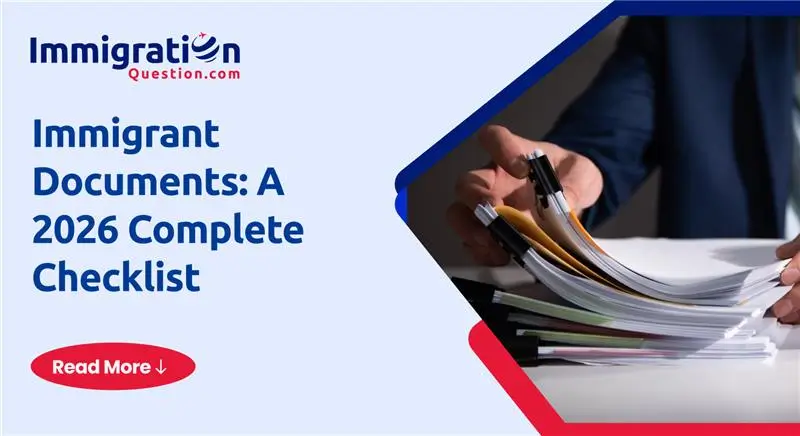
A practical, step‑by‑step guide to organize immigrant documents for Adjustment of Status and Consular Processing.
Why immigrant documents matter
Strong immigrant documents make decisions easier for officers and reduce avoidable slowdowns. The foundation: the correct
USCIS forms, precise certified translations for USCIS, country‑specific civil records, and a simple exhibit index that mirrors each form’s initial‑evidence list.
Before mailing, reconfirm lockbox filing addresses and form edition dates, and ensure scans are readable, properly rotated, and consistently labeled. These basics prevent many request for evidence (RFE) and resubmission issues.
Quick pathfinder: AOS vs. Consular
- Adjustment of Status (AOS) — Filed inside the U.S. using an adjustment of status checklist centered on Form I‑485, with supporting petitions, sponsorship, medical exam, and (if needed) work/travel requests.
- Consular Processing — Filed outside the U.S. using a consular processing checklist: the DS‑260 application, civil documents for NVC via CEAC uploads, and an interview at a U.S. consulate.
How to decide: If the applicant is eligible to adjust in the U.S. and visa numbers are available (see visa bulletin dates), AOS can keep the family together during adjudication.
If the applicant must complete processing abroad, choose the consular route and plan for interview logistics and local civil‑document retrieval.
AOS checklist (inside the U.S.) — what each item does
- I‑485 (green card): Use the latest edition and the form’s initial‑evidence list: Form I‑485. Include identity, status, and eligibility evidence (e.g., admission/parole proof, category‑specific pages).
- I‑130 (family petition): Establishes the qualifying relationship—approval supports eligibility but does not grant status: Form I‑130.
- Affidavit of support (I‑864): Demonstrates sponsor income with tax transcripts/W‑2s and current earnings; add a joint sponsor where required: Form I‑864 (see I‑864P poverty guidelines on the page).
- Immigration medical exam (I‑693): Completed by a civil surgeon; keep the form sealed; bring vaccination records, sign only in the surgeon’s presence: I‑693 instructions.
- Employment authorization (EAD): If eligible while I‑485 is pending, apply via Form I‑765; choose the correct category and confirm edition date.
- Advance parole travel (I‑131): File before unavoidable travel; understand status and timing risks around biometrics/interviews: Form I‑131.
- USCIS online account: Submit certain forms online, upload requested evidence, receive case alerts, and message USCIS securely: How to create an account.
- Lockbox filing addresses: Confirm mailing locations on each form’s page (addresses vary and change).
AOS workflow tips
- In preference categories, verify visa bulletin dates before filing
- Keep photos unretouched and compliant with the form’s photo specs.
- Build a compact cover letter and exhibit index mapping each exhibit to the relevant form line item (e.g., “I‑485 Part 8 → Exhibit C”).
Consular checklist (outside the U.S.) — what to prepare
- DS‑260 application: Complete online and save confirmations
- Civil documents for NVC: Birth, marriage/divorce, police, court/prison records, passport—check country‑specific rules and availability
- Financials (I‑864): Sponsorship evidence in qualifying categories
- CEAC uploads: Use clean PDF scans, correct rotation, and clear labels (e.g., “Birth‑Certificate‑Applicant.pdf”). Keep file sizes modest to avoid rejections.
- Visa photo requirements: 2×2 inches, white/off‑white background, neutral expression; no glasses unless medically documented.
- Interview: Bring original/certified copies of all civil documents and your appointment letter. Organize a slim interview folder with the most requested items up front.
Consular workflow tips
- Start document collection early—some civil records take weeks.
- Confirm post‑specific naming and size guidance before your CEAC uploads.
- Keep a separate “interview originals” envelope distinct from your upload packet.
Translations
Translate every word (including stamps, seals, and marginal notes). Attach a separate translator certification for each document stating the translation is complete and accurate and the translator is competent.
Keep exhibit naming consistent (e.g., “Exhibit D‑1: Birth Certificate + Translation”) so adjudicators can cross‑reference quickly.
Prevent RFEs: a 10‑point quality‑control list
- Edition dates: download forms fresh on packaging day.
- Addresses: check lockbox filing addresses on each form page.
- Visa availability: confirm visa bulletin dates (preference categories).
- Identity & status: include passport, I‑94, and prior notices.
- Relationship evidence: photos, joint documents, and affidavits where appropriate.
- Financials: tax transcripts/W‑2s; add joint sponsor if needed.
- Medical: keep I‑693 sealed; retain a personal copy.
- Photos: comply with size/background rules and avoid edits.
- Translations: full line‑by‑line, with certifications—no summaries.
- Index & cover letter: align exhibits to each form’s initial‑evidence list.
Need case‑specific help?
Ask licensed attorneys and get practical guidance on ImmigrationQuestion.com,useful for sponsorship nuances, timing questions, and documentary strategy.
Frequently Asked Questions
1) How do I know when I can file I‑485?
Use monthly USCIS When to File and the Visa Bulletin. If your priority date is earlier than the cut‑off (or “C” shows), and you meet eligibility, you may be able to file.
2) Do I need certified translations for every non‑English page?
Yes—provide full, line‑by‑line translations, including stamps and seals, with a signed certification for each document (complete/accurate + competence). Avoid summaries; officers need exact English mirrors of the originals.
3) Can I work while AOS is pending?
If eligible, file I‑765 for employment authorization (EAD) and monitor updates with your USCIS online account. Keep your address current to avoid card‑delivery issues.
4) Can I travel while my I‑485 is pending?
Travel carries consequences; if unavoidable, apply early for I‑131 (advance parole travel) and discuss timing/status risks with counsel, especially around biometrics and interview scheduling.
5) What’s the best way to organize immigrant documents for quick review?
Use a front packet index, consistent naming (e.g., “Exhibit E‑2: Tax Transcripts”), and a thin cover letter that maps exhibits to each form’s initial‑evidence list. For CEAC uploads, keep PDFs clean, properly rotated, and clearly labeled.