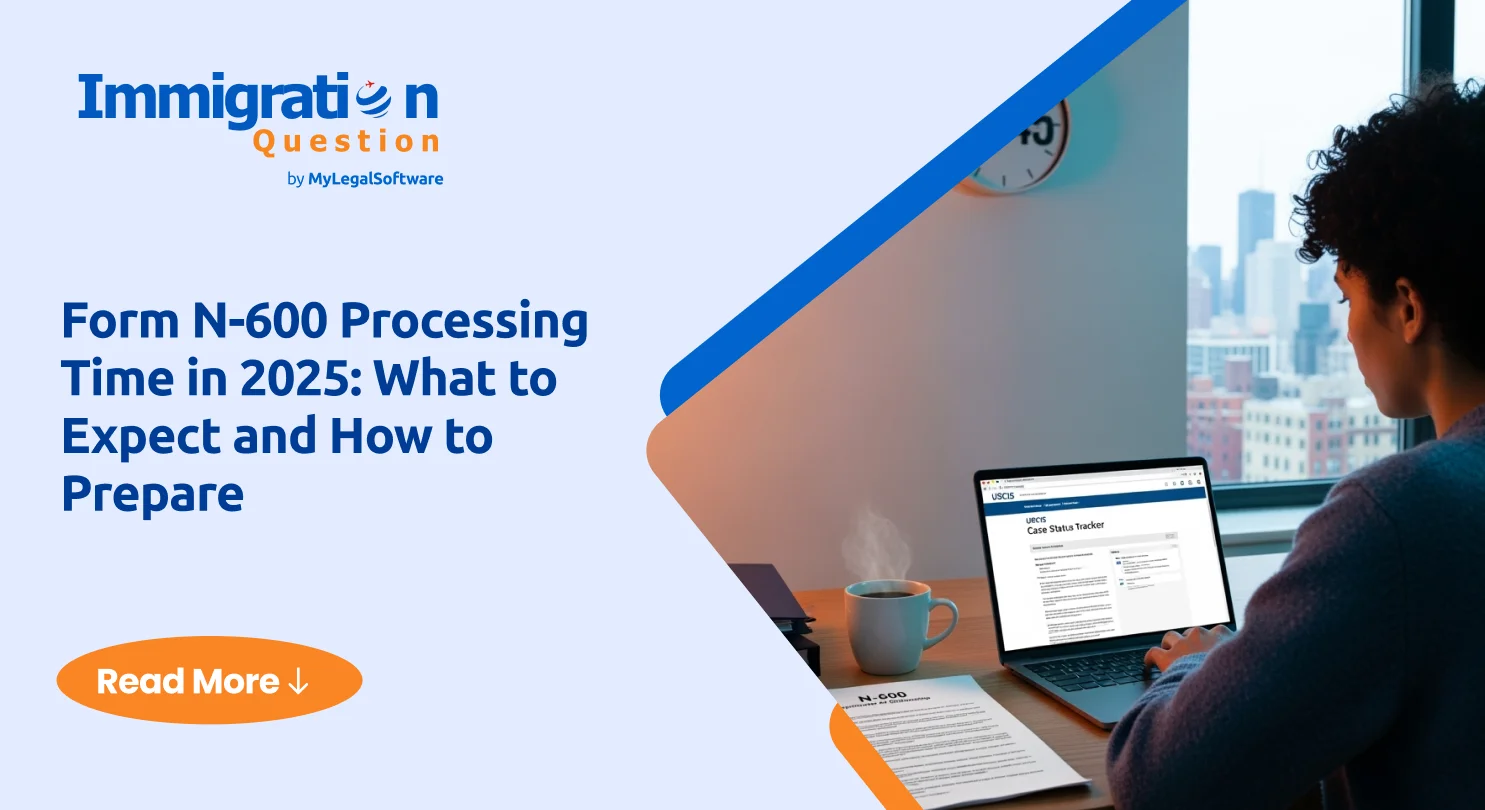
Wondering about the Form N-600 processing time in 2025? Then keep reading.
If you’re a parent filing for your child, or someone who already qualifies for U.S. citizenship through a parent but needs legal proof, you’ve likely heard about Form N-600. And you really want to know how long it takes.
The truth is, while you may be eligible for citizenship, the journey to actually holding that certificate in your hands isn’t instant. Processing times vary and delays can creep in but knowing what to expect ahead of time can save you months of stress and confusion.
In this guide, we’ll break down everything you need to know about Form N-600 processing time in 2025—from the average wait period to what delays it, how to track your case, and what to do to avoid setbacks.
What Is Form N-600 and Who Should Use It?
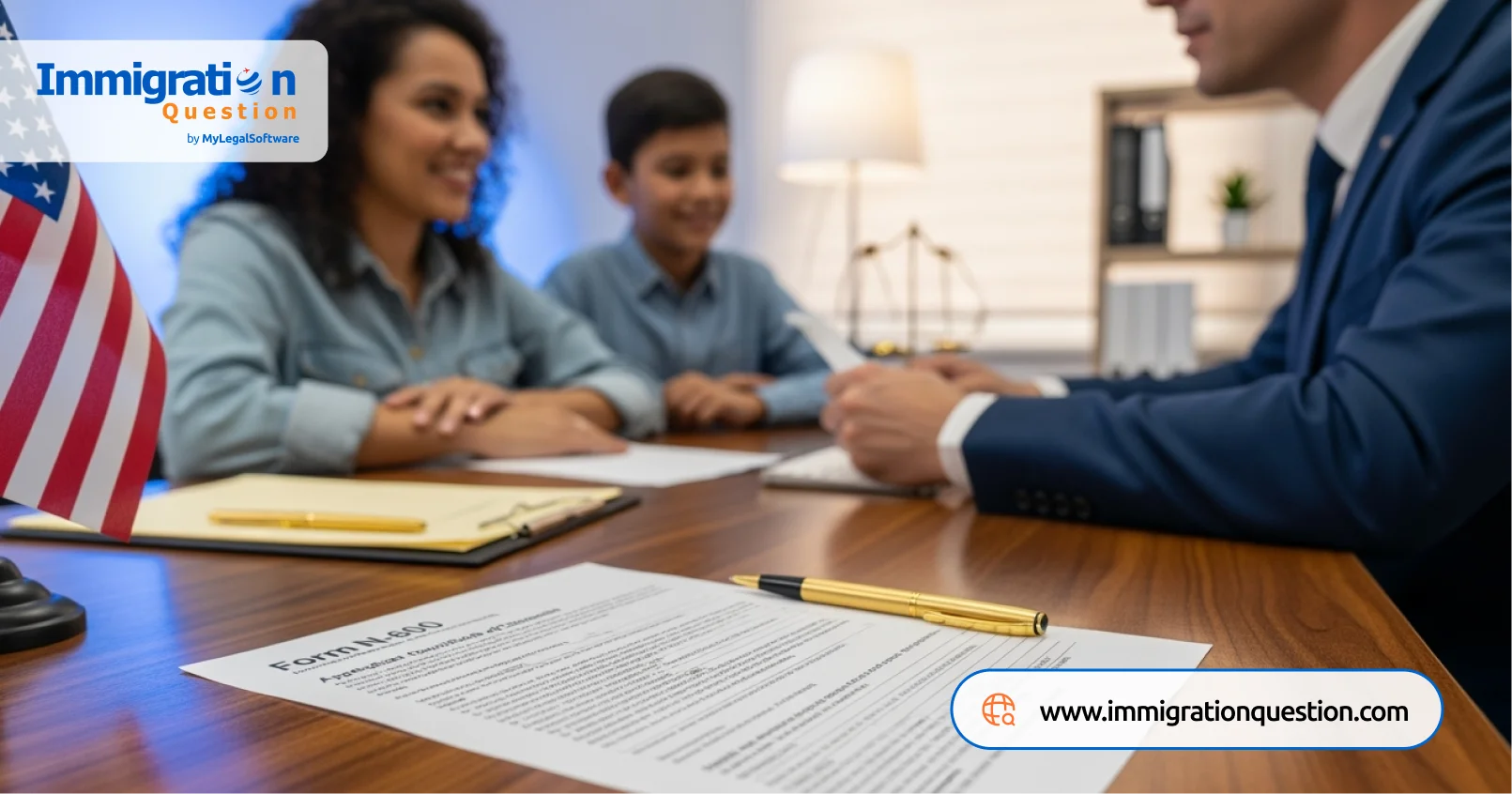
Form N-600 is for people who are already U.S. citizens—either because they were born abroad to U.S. parents or became citizens automatically through their parents but need official proof of their citizenship.
How Long Does Form N-600 Take to Process in 2025?
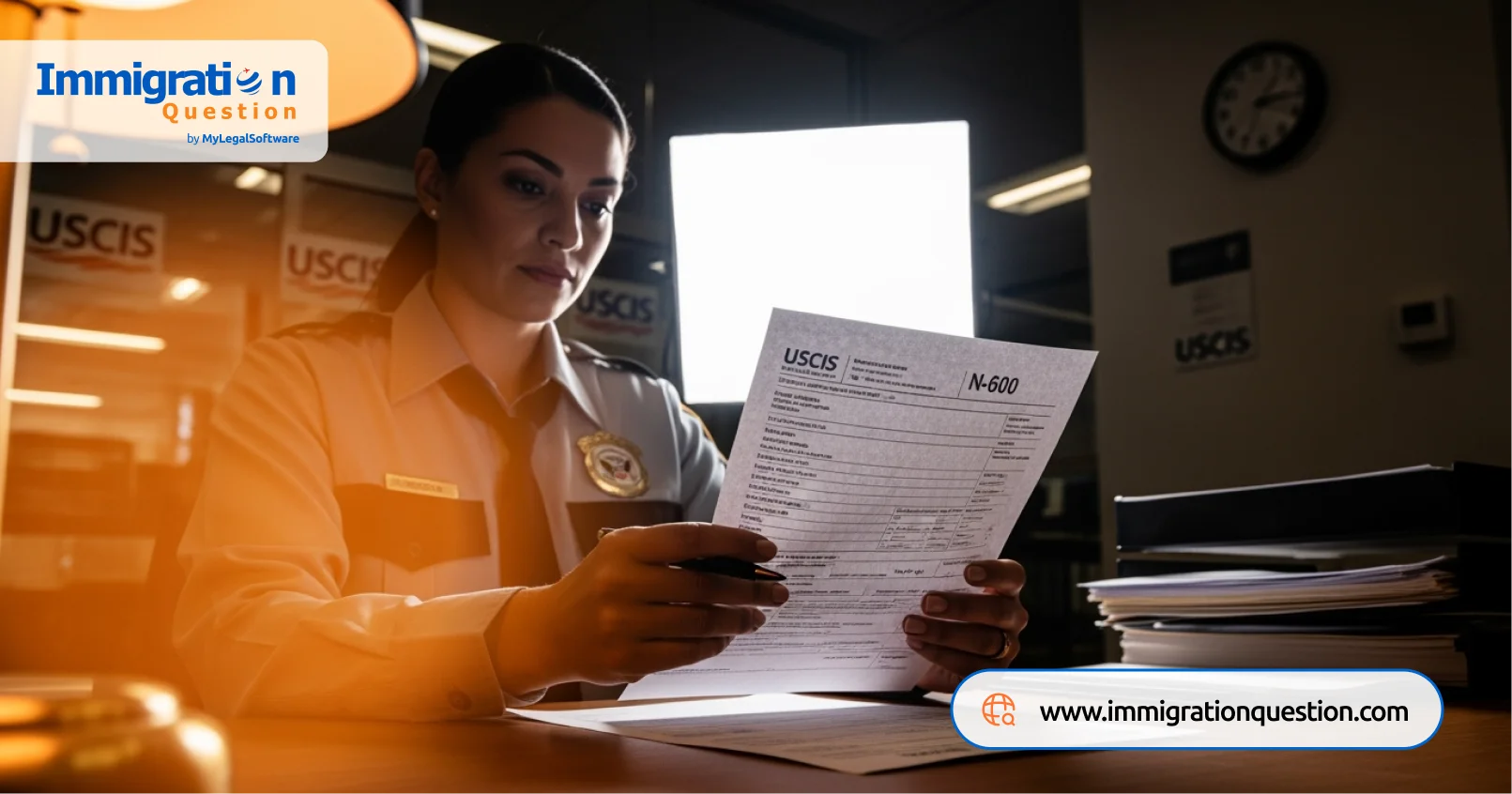
As of 2025, the average N-600 processing time is between 8 and 14 months. However, your actual wait time will depend on your local USCIS field office, your case details, and how well you’ve put your application together.
Some applicants have seen approvals within 3 to 6 months, while others are still waiting after a year. That variation is why it’s important to understand what factors affect your specific case.
It is important to always check the official USCIS processing times page to find the average wait for your field office. Each one can vary significantly.
What Affects the Form N-600 Processing Time?

A few key factors can seriously affect how fast or how slow your N-600 application moves through the system. Which are:
- Your USCIS Field Office: Some are more backlogged than others.
- Case Complexity: If your case involves adoption, international birth, or unusual documentation, it may take longer to verify.
- Application Completeness: Missing documents or unclear information can lead to delays or a Request for Evidence (RFE).
- Biometrics: If USCIS requests biometrics (fingerprints, photos), scheduling delays can add time.
- USCIS Workload: Nationwide application surges or staffing changes can impact your timeline.
N-600 Processing Time for Minors in 2025
If you’re filing the N-600 on behalf of a child, you may be wondering if the N-600 processing time for minors is faster.
Not necessarily.
USCIS does not prioritize based on age, and minors go through the same background checks and verification processes. However, their applications may move slightly faster if documents are clear-cut and complete—especially if both biological parents are U.S. citizens and the child was born abroad.
For adopted children or those whose parents naturalized after their birth, additional documentation could lead to longer review times.
It is important to include a well-prepared packet with birth certificate, proof of your citizenship, legal custody documents, and accurate translations if needed.
How to Track Your Form N-600 Status
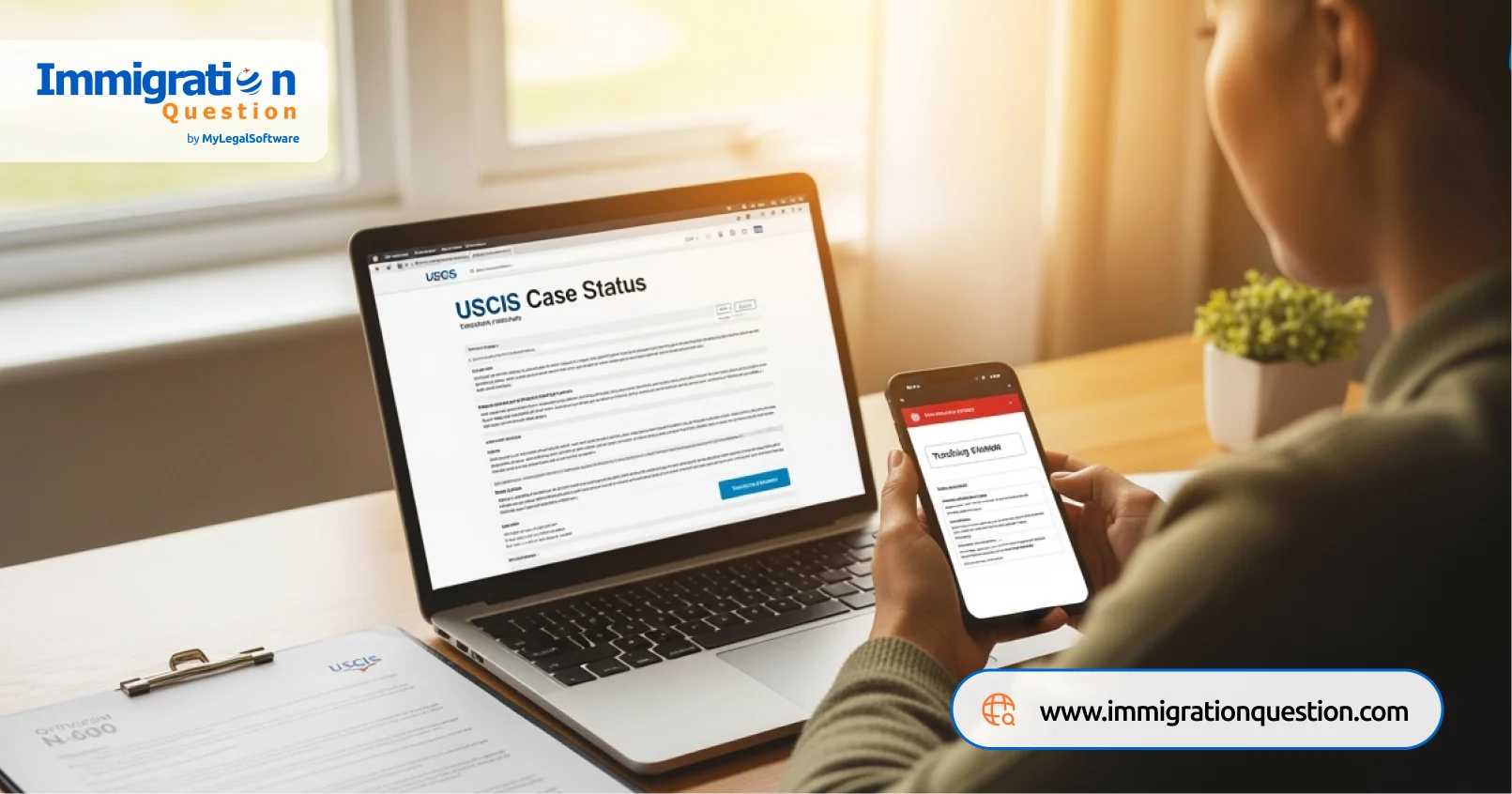
Once you’ve submitted your application, you can monitor your case’s progress using USCIS tools:
- USCIS Case Status Tool: Go to USCIS Case Status and enter your receipt number to see real-time updates.
- Processing Times Tool: Visit USCIS Processing Times page, select “Form N-600,” and choose your field office to see how long cases like yours are taking.
- USCIS Online Account: If you applied online or created a USCIS account, you’ll get email and text updates as your case moves forward
If your case seems stuck in one status for more than 6 months without progress, you may consider contacting USCIS, seeking congressional help, or scheduling an in-person InfoPass appointment.
Why Is My N-600 Taking So Long?

Here are some common reasons why your N-600 might be delayed:
- USCIS requested more documents (RFE)
- You missed a biometrics appointment or response deadline
- Your field office is backlogged
- There was an issue verifying a parent’s citizenship
- International adoption or citizenship-through-parent claims require deeper review
Always respond quickly to any USCIS communication, and make sure your documents are clear and translated if needed.
Can You Expedite the N-600 Form Processing?

In rare cases, yes. USCIS may consider expedited processing if you meet certain criteria, such as medical emergencies, urgent travel, humanitarian reasons, and government or military deployment
To request an expedited process, you’ll need to:
- Call USCIS Contact Center
- Submit documentation supporting your request
- Possibly attend an in-person appointment
Expedited requests are not guaranteed—USCIS reviews them individually and only approves them in special situations, like emergencies or humanitarian reasons. So, unless your case is truly urgent, it’s best not to rely on this option as your main strategy.
How to Avoid Delays with Form N-600 in 2025
Here’s how you can help ensure a smoother N-600 processing experience:
- Submit a complete application with no missing fields or documents
- Include supporting evidence (birth certificates, naturalization certificates, custody proof)
- Ensure all non-English documents are translated and certified
- Track your status regularly
- Respond to RFEs within the deadline
- Double-check that your mailing address is correct
Is It Faster to Apply for a Passport Instead?
Yes, generally, it is.
If you’re eligible to prove U.S. citizenship another way (like via your U.S. citizen parent’s documents), you may be able to apply directly for a U.S. passport at a passport acceptance facility and receive it in 8–12 weeks.
However, a passport is not a Certificate of Citizenship. Some schools, employers, and government programs require the N-600 certificate for legal proof of citizenship.
So, if you want the strongest legal proof of your U.S. citizenship—especially for minor children—Form N-600 is still the best option.
Navigating the Form N-600 Processing Time in 2025
Understanding Form N-600’s processing time in 2025 is more than just tracking months on a calendar—it’s about preparing smartly, submitting a complete application, and knowing what to expect along the way.
Whether you’re a parent applying for your child or an individual finalizing your citizenship status, staying informed and prepared is your best strategy. For many, this journey is more than just paperwork—it’s about peace of mind and officially closing a meaningful chapter in your immigration story.
If you ever feel unsure or stuck during the process, don’t navigate it alone. Visit ImmigrationQuestion.com to ask your questions for free and get direct answers from registered immigration attorneys, often within hours. It’s the best way to get clarity, avoid costly delays, and move forward confidently with your Form N-600 application.
Frequently Asked Questions (FAQs)
1. How long does it take to get the certificate of citizenship after N-600 approval?
Once approved, most applicants receive their Certificate of Citizenship by mail within 1 to 3 weeks. If you don’t, contact USCIS.
2. Can I travel while my N-600 is pending?
Yes. But if you don’t have a U.S. passport yet, you’ll need another valid travel document. Check with an immigration attorney for specific cases.
3. What if I moved during the N-600 process?
Update your address on the USCIS website immediately using Form AR-11 to avoid lost mail or delays.
4. What’s the difference between N-600 and N-600K?
N-600 is for children who automatically acquired citizenship. N-600K is for children of U.S. citizens living abroad applying for citizenship through their parent.
5. Can I speed up the Form N-600 processing time?
Expedited processing is possible in rare cases, but only for urgent situations like medical emergencies, military deployment, or humanitarian reasons. Otherwise, submitting a complete and accurate application is the best way to avoid delays.