
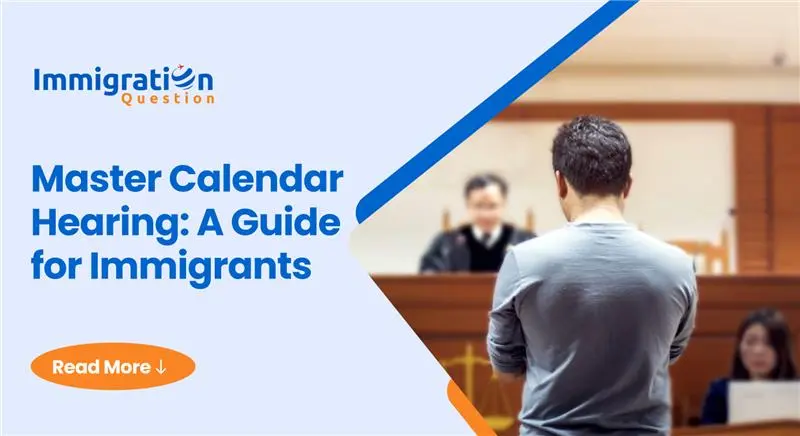
A Master Calendar Hearing is the first step in many immigration court cases and helps organize the legal process. It is a short, procedural hearing where the judge reviews the case, explains rights, and sets important deadlines. No final deportation decision is made at this stage, which helps reduce fear and confusion for many people.
What Is a Master Calendar Hearing in Immigration Court?
A Master Calendar Hearing is typically the first hearing scheduled in an immigration court case. It is an administrative appointment meant to introduce the case, review the basic allegations, and explain available options.
This hearing does not decide whether someone will be removed from the United States. Instead, the judge focuses on organization, scheduling, and ensuring that both sides understand how the process will move forward. It is designed to give the respondent clarity about rights, responsibilities, and next steps.
Why Am I Scheduled for a Master Calendar Hearing?
Many individuals are scheduled for a Master Calendar Hearing because they received a Notice to Appear. This document begins removal proceedings and alerts the court that a case needs to be reviewed. The hearing itself does not suggest that the respondent has done anything wrong.
It simply confirms the start of a formal process. Attending the hearing is important because it ensures that the judge has accurate information and that the respondent understands what comes next.
How and When You Are Notified of Your Hearing
The Notice to Appear may list the exact date, time, and court location of the hearing. In some cases, the Notice to Appear does not include this information, and a separate hearing notice is mailed. Respondents must keep their address updated so they can receive all future notices from the court.
If a hearing notice is missed because the court does not have the correct address, the respondent is still responsible for attending. Missing a hearing can result in an in-absentia removal order, which is why prompt attention to mail and address updates is essential.
Who Is Present at a Master Calendar Hearing?
- Immigration judge: Manages the hearing and schedules the next steps in the case.
- Government attorney from the Department of Homeland Security: Represents the government and presents the allegations listed in the Notice to Appear.
- Respondent: The individual who received the Notice to Appear and is in removal proceedings.
- Immigration attorney: Represents the respondent and helps guide the case. Representation is optional but strongly recommended.
What Happens During a Master Calendar Hearing?
A Master Calendar Hearing is used to organize the case and explain legal options. During the hearing, the judge reviews the allegations listed in the Notice to Appear, confirms basic case information, and explains the respondent’s rights.
Pleadings may be entered if the respondent is prepared to admit or deny the allegations.
The judge sets filing deadlines for any applications for relief and schedules future hearings. No final decision is made, and no testimony or evidence is typically presented at this stage.
Scope of Issues Covered at a Master Calendar Hearing
- Right to an attorney at your own expense
- Availability of free or low-cost legal resources
- Opportunity to admit or deny allegations
- Identification of possible forms of relief such as asylum or family-based options
- Deadlines for applications and supporting documents
- Scheduling of an Individual or Merits Hearing
Requesting More Time or a Prompt Hearing
Respondents may request additional time to find an attorney if needed. Judges often allow reasonable extensions at this stage, especially when the request is made early. Some respondents may request a Prompt Hearing if they want the case to move forward faster.
Motions to continue or advance hearings can also be made, although the court decides whether to grant them. These options help ensure that the case is handled at a pace that fits the respondent’s circumstances.
How to Prepare for a Master Calendar Hearing
Hiring an Immigration Lawyer
An immigration lawyer can help identify potential relief options that may apply to your case. They can speak for you during the hearing and help avoid procedural mistakes that could affect your case later. Their guidance also helps ensure that deadlines and filings are handled correctly.
Gathering Supporting Documents
Before attending the hearing, it is helpful to gather documents related to your case, even if you will not submit them at this stage. Examples include:
- Evidence of family relationships
- Documents related to asylum or fear-based claims
- Employment records
- Financial records
- Prior immigration paperwork
These documents help you and your attorney prepare for future hearings and understand which relief options may be available.
Preparing to Answer Questions
You may be asked questions about your immigration history, reasons for seeking status, or any past interactions with immigration authorities. If applicable, questions may also relate to criminal history. These questions help the judge understand the case and determine whether additional hearings or filings are needed.
Preparing in advance helps ensure that the information you provide is clear and accurate.
What Happens After the Master Calendar Hearing?
After the hearing, most respondents receive a date for an Individual or Merits Hearing. This is when evidence, documents, and testimony will be reviewed. Some respondents may need to submit applications for relief before the Individual Hearing.
Other possibilities include case termination or administrative closure when appropriate. Some individuals may choose to request voluntary departure. The Master Calendar Hearing does not determine any final outcome; it simply sets the process in motion.
Why Legal Representation Matters at a Master Calendar Hearing
Immigration law is detailed and can be difficult to navigate without guidance. Correct pleadings help avoid misunderstandings, and meeting deadlines is essential to preserving available options.
Attorneys help respondents understand the full range of relief opportunities and protect procedural rights. Representation helps reduce mistakes and provides clarity during an often stressful process.
Key Takeaways on Master Calendar Hearings
- A Master Calendar Hearing is procedural and does not decide the case
- Attendance is mandatory
- Preparation helps the process run smoothly
- Licensed legal help protects options and ensures accuracy
For more immigration guidance and resources, visit ImmigrationQuestion.com.
Frequently Asked Questions
- Is a Master Calendar Hearing a deportation hearing?
No. It is an administrative hearing that focuses on scheduling and reviewing basic case information. No final deportation decision is made during this appointment. - What happens if I miss my Master Calendar Hearing?
Missing this hearing can result in an in-absentia removal order. The court may issue this order because attendance is required. If you missed the hearing, you should seek legal help immediately. - Can I reschedule my Master Calendar Hearing?
Yes. Some hearings can be rescheduled with a formal request. The judge decides whether to grant the request, and it should be made as early as possible. - Do I need a lawyer for a Master Calendar Hearing?
You are not required to have a lawyer, but it is strongly recommended. An attorney can help protect your rights and guide your case. - How long does a Master Calendar Hearing last?
Most hearings are brief and may last only a few minutes. The exact time depends on the judge and how many cases are scheduled.