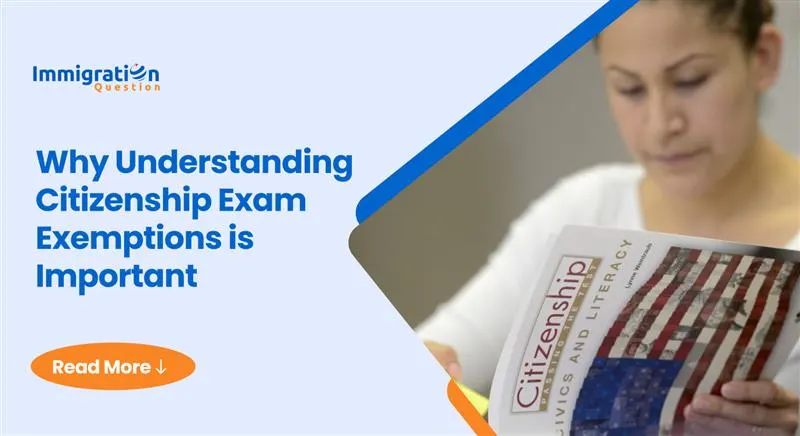
Understanding the available citizenship test exemptions can make your naturalization journey much easier. Depending on your age, years of residency, or medical condition, you may qualify for a citizenship exam exemption that removes the English requirement or allows a simplified civics test.
Working with an immigration attorney can help you confirm eligibility, complete your application correctly, and prepare for any modified test requirements. Exploring these citizenship test exemptions ensures you avoid unnecessary challenges and move forward in your U.S. citizenship journey.
In this blog, we are going to explore the citizenship test exemptions that are available and how to determine which exemption applies to you.
Understanding US Citizenship Test Exemptions
Applying for naturalization doesn’t always mean you must take the full English and civics exams. USCIS provides citizenship test exemptions to make the process fairer for applicants with long residency, advanced age, or medical conditions (just like we discussed above).
For example, under specific rules, long-term green card holders who meet certain requirements are exempt from the English portion of the test and may take the civics exam in their native language. In cases where a medical condition prevents learning, a medical naturalization exam exemption may apply with proper certification.
These citizenship test exceptions ensure that dedicated residents and those with genuine challenges can still achieve U.S. citizenship without unnecessary barriers.
Types of Citizenship Exam Exemptions
There are different types of citizenship exam exemptions designed to support applicants based on age, residency, or medical needs. Understanding these citizenship test exceptions can help you know which requirements may or may not apply to you.
1. Age and Residency-Based Exemptions
Applicants who meet specific age and residency requirements may qualify for an exemption from the English language portion of the exam. These applicants will still be required to take the civics test, but they can choose to complete it in their native language with the help of an interpreter if necessary.
50/20 Rule: If you are 50 years old or older and have lived in the United States as a lawful permanent resident (LPR) for at least 20 years, you are exempt from the English language requirement. However, you must still complete the civics test, which can be taken in your native language.
55/15 Rule: If you are 55 years old or older and have been an LPR for at least 15 years, you are also exempt from the English requirement but must take the civics test in your preferred language.
Applicants who qualify for these exemptions may bring an interpreter to assist them during the civics test. An Immigration lawyer can guide you through the application process and ensure that all necessary documentation is provided.
2. Medical Disability Exemptions
Applicants with physical, developmental, or mental disabilities that prevent them from meeting the English and civics requirements may qualify for a medical exemption. To request this exemption, applicants must submit Form N-648 (Medical Certification for Disability Exceptions), which must be completed and certified by a licensed medical professional.
Eligibility Criteria:
- The disability must be long-term or permanent.
- The condition must prevent the applicant from fulfilling the English and/or civics requirements.
How to Apply:
- Submit Form N-648 along with your naturalization application (Form N-400).
- The form should clearly explain how the disability affects your ability to comply with the exam requirements.
3. Simplified Civics Exam (65/20 Rule)
If you are 65 years old or older and have been a lawful permanent resident for at least 20 years, you qualify for a simplified version of the civics test. This exemption is commonly known as the 65/20 Rule.
Civics Test Modifications:
- Applicants qualifying under this rule are only required to answer 10 questions from a list of 20 questions (instead of 100).
- You must answer at least 6 questions correctly to pass.
- The test can be taken in your native language with the help of an interpreter if necessary.
This modified version of the civics test is designed to make the process more manageable for older applicants who have been residing in the United States for an extended period.
Citizenship Test Exceptions You Should Know
Not everyone has to take the U.S. naturalization test the exact same way, and that’s because USCIS recognizes that every applicant’s journey is different. To make the process fair, there are several citizenship test exemptions in place. For example, if you’ve lived in the U.S. for many years and meet the 50/20 or 55/15 rule, you may not need to take the English portion and can do your civics test in your native language. Under the 65/20 rule, you only need to study a smaller set of civics questions. And if health or developmental challenges make testing difficult, a licensed doctor can complete Form N-648 to request a medical exemption on your behalf.
But exemptions aren’t the only way USCIS makes the test more accessible. They also offer accommodation for individuals with disabilities. This can mean extra time, a sign language interpreter, or even taking the test at home or in a medical setting—adjustments designed to meet applicants where they are.
At the end of the day, these exemptions and accommodations exist to ensure that long-term residents, older applicants, and those with disabilities can still move forward in their journey toward U.S. citizenship without being held back by unnecessary obstacles.
Your Path to Citizenship Made Simpler
Becoming a U.S. citizen is a milestone worth celebrating, but the journey doesn’t have to feel complicated. With the right legal guidance, you can approach exemptions, documentation, and the test itself with confidence.
If you still have questions, don’t leave them unanswered. Visit ImmigrationQuestion.com to ask about your citizenship test exemptions and get reliable answers from registered immigration attorneys—often within hours.
Do this now to save you time.
FAQs on Citizenship Exam Exemptions
1. Can I Skip the Civics Test If I Qualify for an English Exemption?
No, even if you are exempt from the English requirement, you are still required to take the civics test. However, you may take the test in your native language.
2. What Happens If My Medical Disability Exception is Denied?
If your Form N-648 is denied, USCIS may require you to complete the citizenship exam as part of your naturalization process. Working with an immigration attorney can help you submit a stronger application if re-filing is necessary.
3. How Do I Request Accommodations for the Citizenship Exam?
Applicants should include their accommodation requests in Form N-400 and submit relevant documentation to support the request.
4. What If I Qualify for More Than One Exemption?
If you qualify for multiple exemptions, such as both age-based and medical exemptions, an Immigration lawyer can guide you on the best course of action and ensure that all necessary requests are properly documented.
5. Do I still need to attend the naturalization interview if I have an exemption?
Yes. Even with a citizenship exam exemption, applicants must still attend the naturalization interview with USCIS. The officer will apply the exemption rules to your case during the process.